
Spiced Banana Muffins
Ingredients
- 4 over ripe bananas, mashed
- 1/4 cup melted coconut oil
- 1/4 cup honey or maple syrup
- 2 large eggs
- 2 teaspoons organic vanilla extract
- 1 1/2 cups organic light spelt flour
- 1 1/2 teaspoons baking soda
- 1 teaspoon ground cinnamon
- 1/2 teaspoon ground ginger
- 1/4 teaspoon ground cardamon
- 1/2 teaspoon salt
- 1/2 cup chocolate chips
- 1/2 cup chopped walnuts (optional)
Instructions
- Preheat the oven to 350 degrees F. Line 12 muffin tins with biodegradable paper liners.
- Stir together the mashed bananas, coconut oil, honey, eggs, and vanilla until combined.
- In another bowl, mix the flour, baking soda, spices and salt. Carefully mix with wet ingredients until just combined. Fold in the chocolate chips and chopped walnuts.
- Divide the batter between the prepared muffin cups. Bake for 20 minutes, test with a fork. If it comes out clean, you’re good to go.
- Enjoy warm or cooled down!
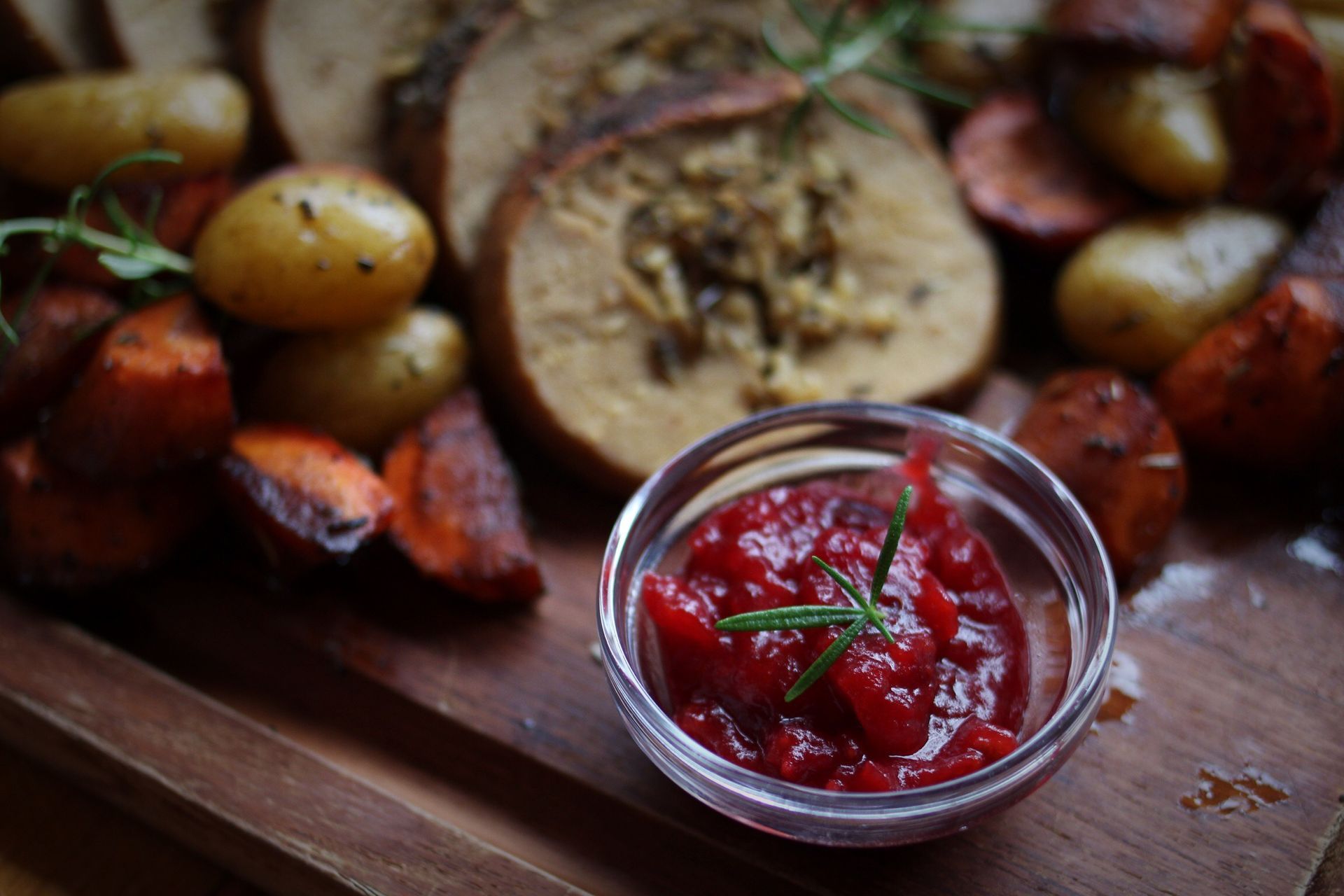
Delicious Healthy Recipes To Try This Thanksgiving Happy Thanksgiving! Looking to switch it up and try some new recipes this year? Here is a roundup of recipes, many of which are vegan and gluten-free so you can create a holiday meal fit for all!
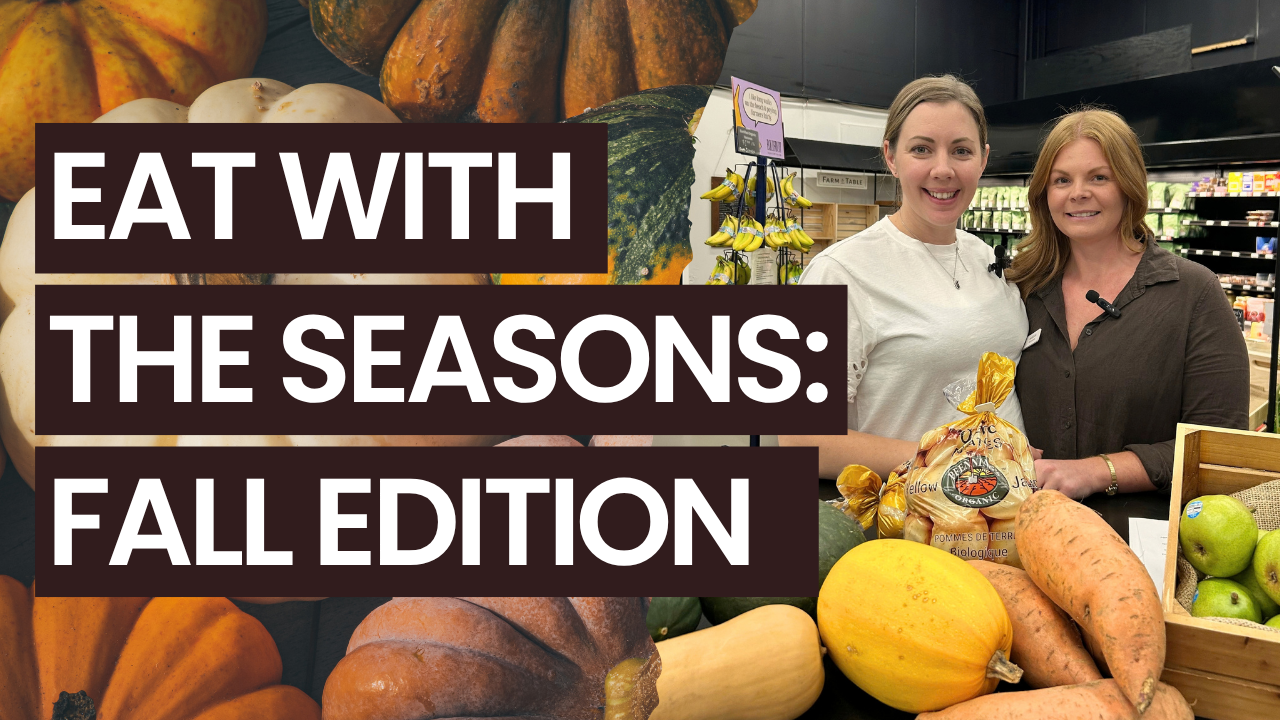
Join Holistic Nutritionists as they dive into the benefits of seasonal fall produce and how it can support your health as the seasons change

Find out what's going on for Labour Day Weekend 2026 in Peterborough and the Kawartha Areas! Lots of local Peterborough events to check out for the family!
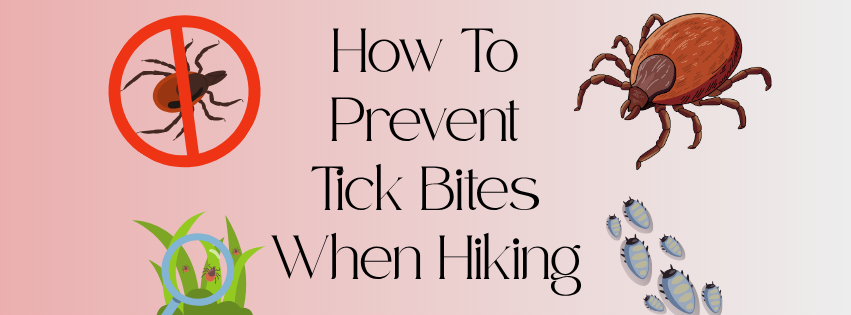
Ticks are out on Peterborough and Lindsay trails this summer. Learn how to prevent bites, check for ticks, and safely remove one — plus what to stock up on.

July is National Independent Retailer Month.

Celebrate the father figures in your life with thoughtful, wellness-supportive gifts at Jo Anne's Place
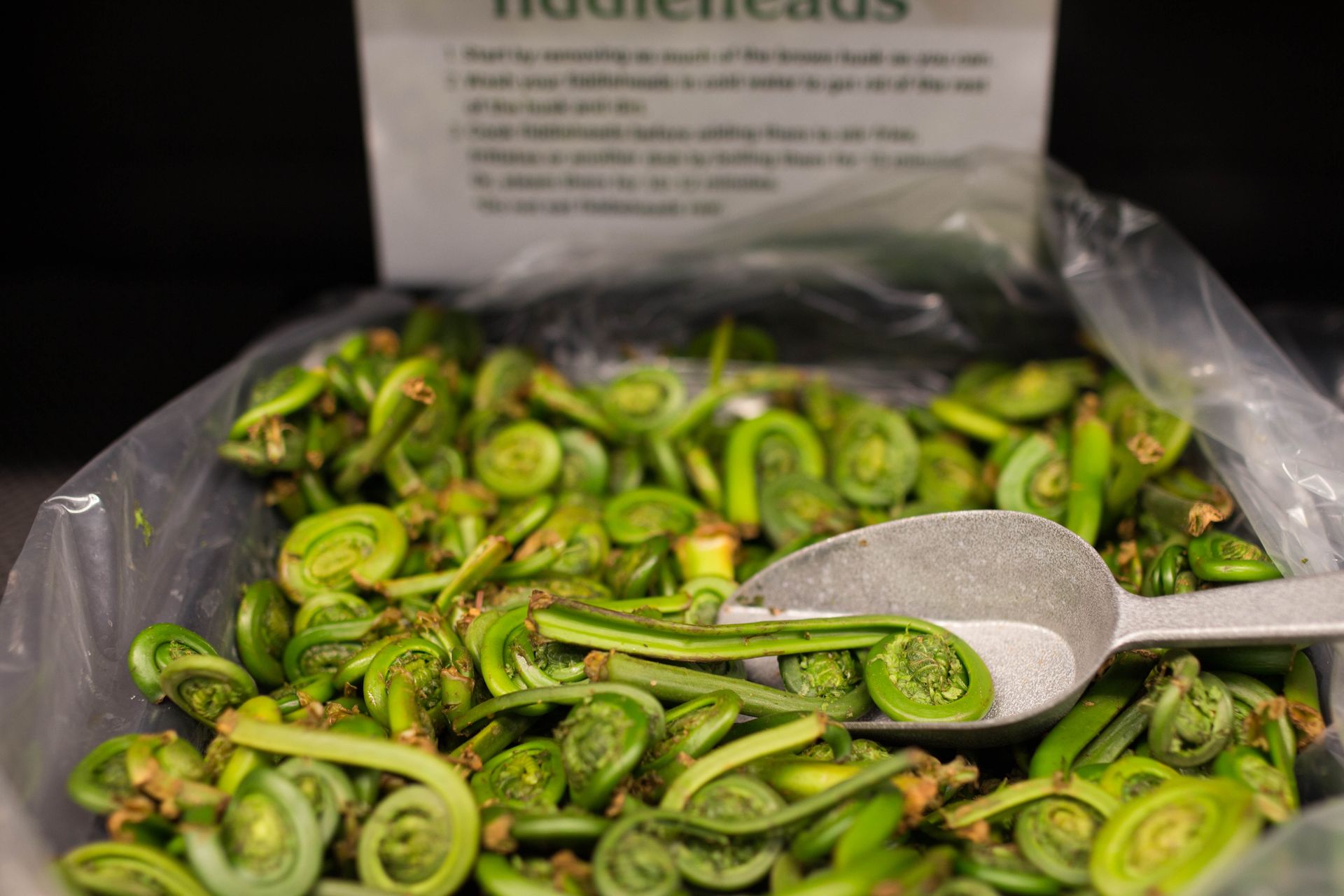
Fiddlehead season is here! After a long winter, fiddlehead season has finally arrived. Not familiar with fiddleheads or just want to learn a bit more about them, and how to cook them safely? Keep reading! You may have seen fiddleheads in the wild and not even realized it. That's because they are the furled fronds of a fledgling fern! The fiddlehead is the spiral of the plant that would unroll into a new frond of the fern plant. They are harvested before they unfurl, early in the season. Only the fiddleheads from certain fern varieties are safe to consume. Fiddleheads should never be eaten raw and must be cooked a certain way to be safe to eat, so be sure to follow the instructions below. Fiddleheads have been part of traditional diets in Northern France since the Middle Ages, and amongst many North American Indigenous populations for centuries. They are also popular in Asian cuisine dishes like gulai pakis.

Most candy and processed food products aren't naturally made with bright colors. They achieve that color by using synthetic food dyes. But are they safe for you?

Mother's Day gifting made easy at Jo Anne's Place!
Peptides are short chains of 2 to 50 amino acids that act like messengers telling your body what to do. Some are effective, some are not. Let's get into all of it!