Top Benefits of Fiber: Digestion, Weight Loss, and Heart Health
Why Fiber is Important
Most people don’t get enough fiber, and it’s one of the biggest factors affecting digestion, gut health, and long-term wellness. From improving your gut microbiome to reducing cholesterol and supporting weight loss, fiber plays a crucial role in your overall health.
What is Fiber?
Dietary fiber is a type of carbohydrate that can't be digested. It is usually found in plant-based foods (fruits, veggies, seeds, legumes) and acts as a digestive cleanser, regulating bowel movements, reducing cholesterol and managing blood sugar levels. It is necessary for a healthy diet.
What's the difference between dietary and functional fiber?
Dietary fiber is the type of fiber that you get in plant foods like fruits, vegetables, whole grains, beans, nuts, and seeds.
Functional fiber, on the other hand, refers to isolated or added fiber that’s included in processed foods or supplements. This can include ingredients like inulin, psyllium husk, or other fibers added to products such as protein bars, cereals, and fiber supplements.
While both types of fiber can offer health benefits, dietary fiber from whole foods provides a wide range of nutrients like vitamins, minerals, and antioxidants. For this reason, it’s generally best to get most of your fiber from whole, plant-based foods, while using functional fiber as a supplement when needed.
What are the different types of fiber?
- Soluble Fiber:
Dissolves in water to form a gel-like substance, which helps lower cholesterol and slow the absorption of sugar in the bloodstream. It’s found in foods like oats, legumes, and fruits such as apples.
- Insoluble Fiber:
Does not dissolve in water; it promotes movement through the digestive system, preventing constipation. Found in whole grains, wheat bran, and vegetable skins
Health Benefits of Fiber for Gut Health and Digestion
How Fiber Improves Gut Health
The majority of bacteria live in your gut, primarily in the large intestine. This community of bacteria is known as your gut microbiome and it plays a major role in your overall health.
When you eat fiber, it goes into the large intestine and becomes food for beneficial bacteria. While breaking down the fiber, they produce short-chain fatty acids, which help support gut health, reduce inflammation and help with metabolism and immune function.
If you're eating your daily recommended amount of fiber (about 25 -30g) you can help the good bacteria in your gut grow and thrive. But if you're not eating enough, the balance of bacteria in your gut can shift in a less healthy direction.
Can Fiber Help With Weight Loss?
Certain types of fiber can help you
lose weight
by reducing your appetite.
Studies have shown that increasing dietary fiber can cause weight loss due to reducing calories intake.
Fiber soaks up water in your intestine and that slows the absorption of nutrients and gives you a feeling of fullness. This can cause weight loss since you won't have the cravings to eat as much.
That being said, it depends on which type of fiber you're consuming. For instance, glucomannan is effective for weight loss.
Can Fiber Reduce Cholesterol?
Recent studies have shownthat viscous, soluble fiber can also lower your cholesterol levels and may lower your risk of heart disease.
A 2023 study in 14,505 participants found a significant reduction in LDL cholesterol after soluble fiber supplementation.
Studies have also found that increasing the intake of dietary fiber could reduce the risk of cardiovascular diseases.
What Fiber is Best to Relieve Constipation?
Fiber can help absorb water, increase the bulk and speed up the movement of stool through the intestine.
Insoluble fiber adds bulk to stool and helps it pass more quickly through the intestines, while soluble fiber absorbs water and forms a gel-like substance that softens stool, making it easier to pass. Together, they create more regular bowel movements and reduce the likelihood of hard, dry stools.
A good example of a gel-forming fiber is psyllium.
Flax seeds have also been shown to be effective for constipation.
What Food is High in Fiber?
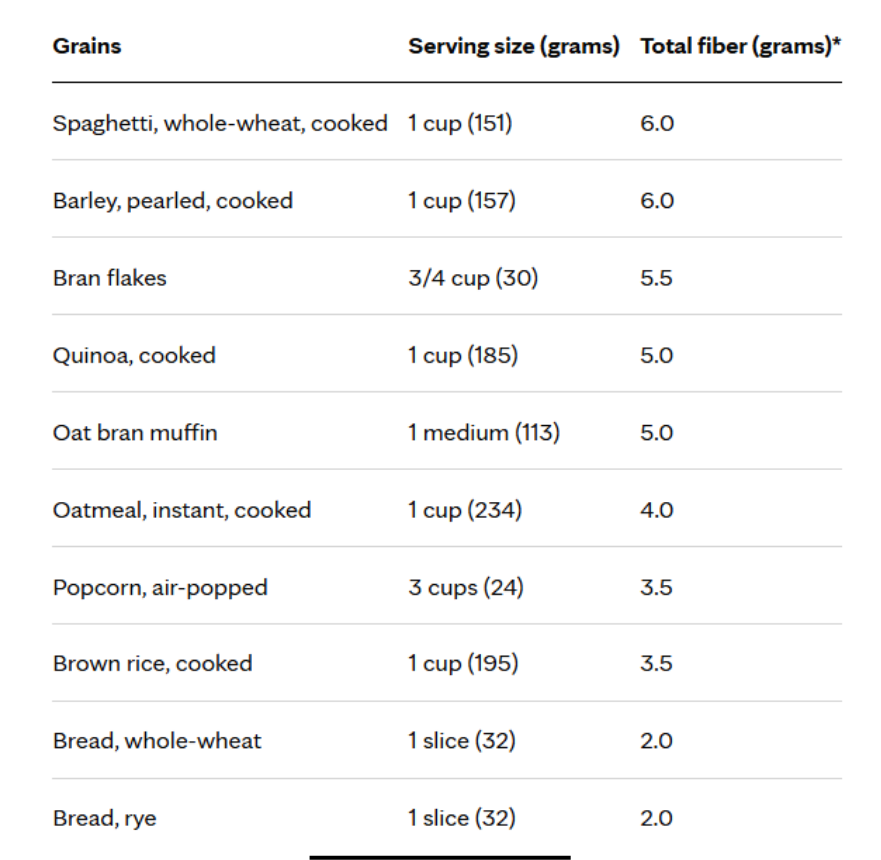
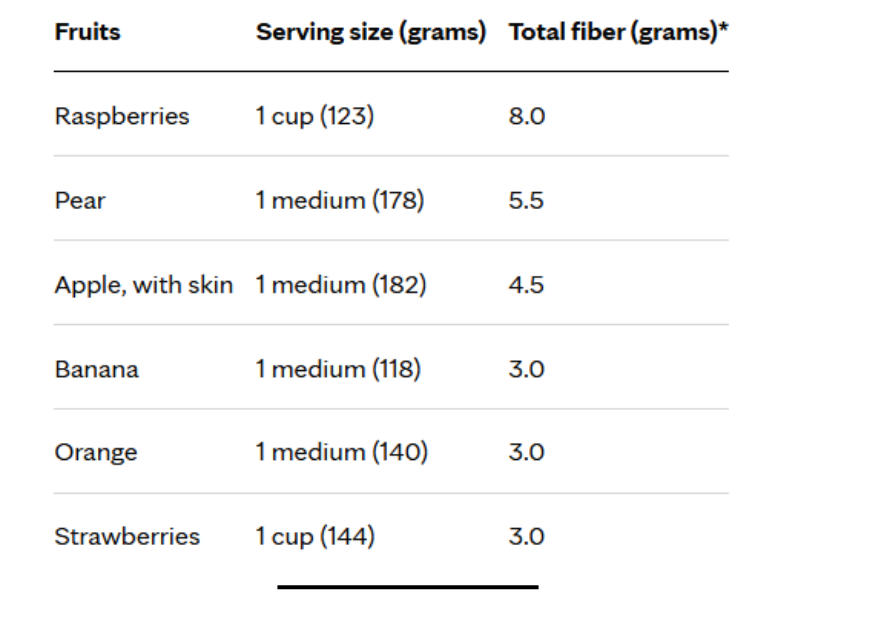
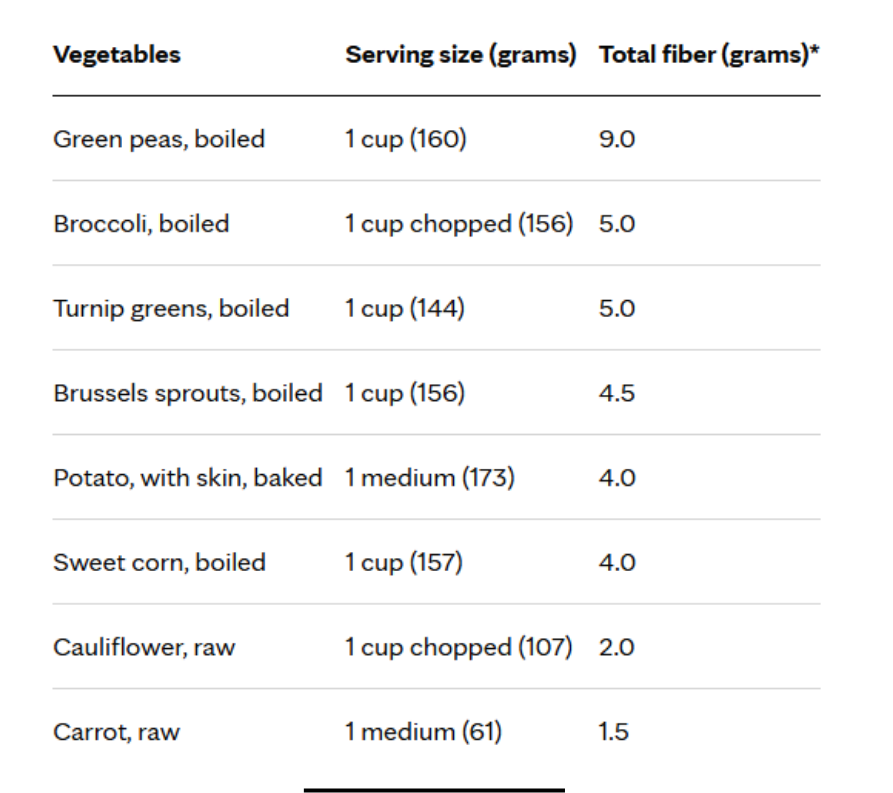
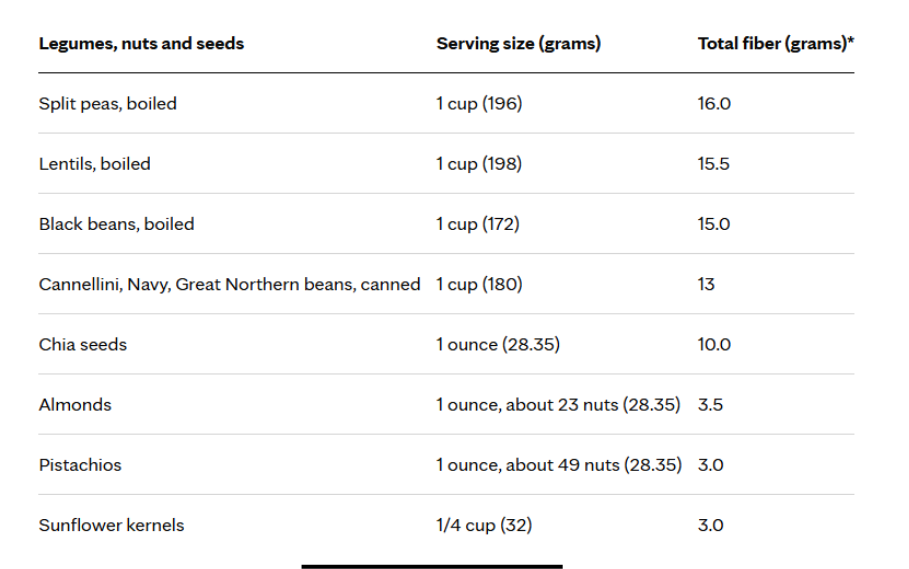
The best way to get fiber into your body is through whole foods. We've put together a handy list of a variety of different foods that are all high in fiber. To find out specifically what type of fiber is present in these foods, we suggest researching online.
Top Fiber Foods
Grains
- Spagehetti
- Barley, pearled, cooked
- Bran flakes
- Quinoa, cooked
- Oat bran muffin
- Oatmeal, instant, cooked
- Popcorn, air popped
- Brown rice, cooked
- Bread, whole-wheat
- Bread, rye
Fruits
- Raspberries
- Pear
- Apple, with skin
- Banana
- Orange
- Strawberries
Vegetables
- Green Peas
- Broccoli
- Turnip Greens
- Brussel Sprouts
- Potato, with skin
- Sweet Corn
- Cauliflower
- Carrot
Legumes
- Split Peas
- Lentils
- Black Beans
- Cannellini
- Chia Seeds
- Almonds
- Pistachios
- Sunflower kernels
Other Products That Can Help
While we sell many whole foods that can help you reach your daily fiber goals, some may have trouble eating that much. Luckily there are other fiber-boosting products we sell that can help you get the right amount you need.
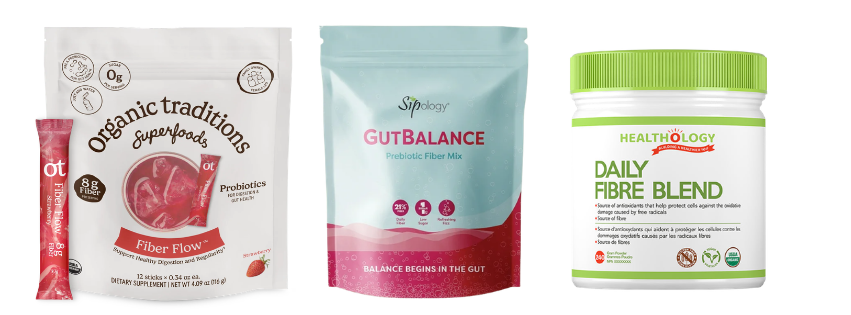
Organic Traditions Fiber Flow - Meet the most refreshing way to fill your fiber gap. This bright, sugar-free strawberry blend delivers 8g of plant-based prebiotic fiber plus probiotics and dissolves instantly for smooth, effortless daily support for digestion and gut health. Light, crisp, and delicious, it mixes seamlessly into water or your favorite wellness drink for a simple ritual your gut will love.
Sipology Gut Balance
- Specially formulated to boost your fiber intake and promote digestive health in a delicious, easy to prepare drink. A very high source of prebiotic fiber inulin from chicory root, which is 21% of your daily fiber intake, and only 20 calories or less
Healthology Daily Fibre Blend - 3g of Certified Organic fibre per serving. Together with healthy nutrition, it prevents constipation, helps to manage appetite, and is a source of antioxidants. It's simple to add to any meal and a healthy way to optimize your digestion as part of your daily wellness routine.
Our Wellness Series All About The Gut Microbiome
We are currently doing an entire YouTube series all about the gut micorbiome and fiber. Our Nutritionist Rebecca gives expert advice on how the gut microbiome works and how you can incorporate fiber and other nutrients into your diet.
Watch on YouTube below.
Conclusion
Incorporating enough fiber into your daily diet is one of the simplest and most effective ways to support your overall health. By focusing on a variety of whole, plant-based foods, you can improve digestion, support your gut microbiome, and reduce the risk of chronic disease, all while helping your body function at its best.
A reminder that at Jo Anne's Place, we have a huge selection of fresh, organic whole foods to choose from. Our associates are also very-well educated and can go deep into the benefits of fiber and how it helps the gut microbiome. Come on in and chat with us, we'd love to speak with you about incorporating wellness into your everyday life.