Easy Changes for a More Eco-Friendly Home
Small Changes with a Big Impact.
April is Earth Month! With Earth Day coming up on April 22nd, we wanted to share some simple ways to make your home more eco-friendly. Of course, sustainability is top of mind this time of year - but our hope is that the awareness around sustainability and habits created during Earth Month will be continued on throughout the year. Not only do sustainable habits benefit the Earth and the ecosystems we inhabit, but they also improve our lives by reducing waste and toxins in our homes and communities, saving us money, and supporting a more circular economy.
Below are some small changes you can make to your daily routines that result in a more eco-friendly home:
Repurposing Kitchen Scraps
Want to make the most of your fresh groceries? Here are 5 ways to repurpose your kitchen scraps or extra food. It’s a great way to prevent food waste and save money! And is also a fun activity to do with the kids to teach them about sprouting and gardening.
How To Use Table Scraps for Regrowing
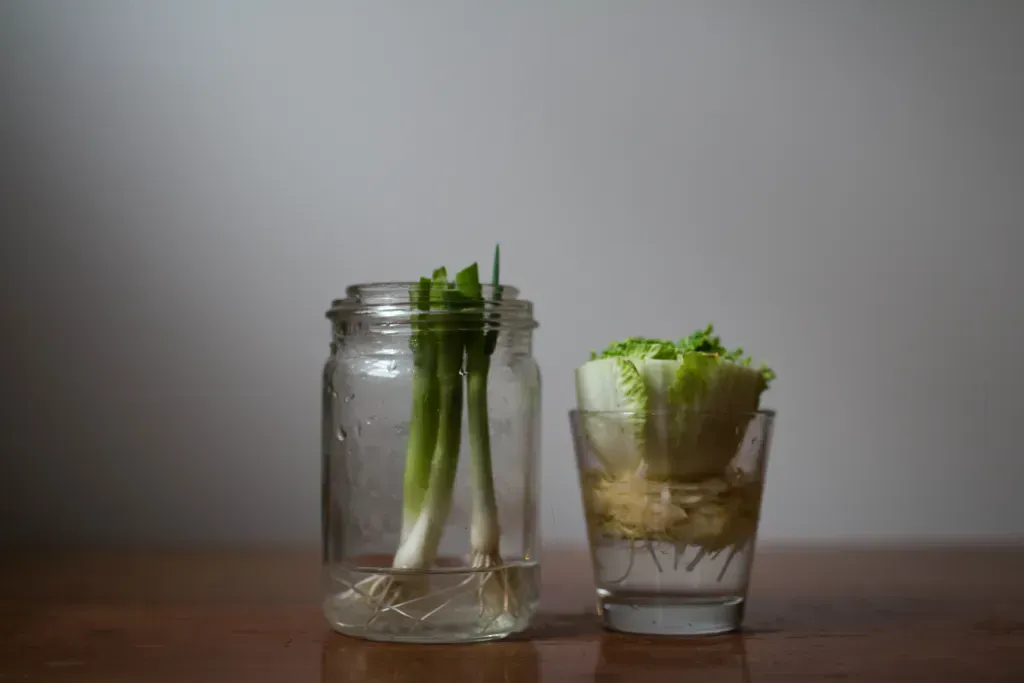
Regrow or keep your veggies fresh in a bit of water! It’s so simple, yet so effective. Just fill a glass container with enough water to cover the roots of the veggie and keep the water fresh as you watch it grow. Celery, green onions, and lettuce are just some of the veggies you can regrow! Here are some tips:
- Choose a container size relative to the size of the veggie you’re re-growing. Ex. Lettuce and celery grow best in smaller, shallow bowls. Green onion and lemongrass can be in taller, skinnier glasses.
- You don’t need much water, just enough to cover the roots (about 1/2 inch of water).
- Be sure to check the water every few days to ensure that there’s still enough water and no slime or mold has grown. If you notice slime or mold, you may be using too much water.
- You can regrow a few of the same veggies in the same container, so long as you are not overcrowding and giving the roots enough room to absorb the water.
How To Use Table Scraps for Pickling
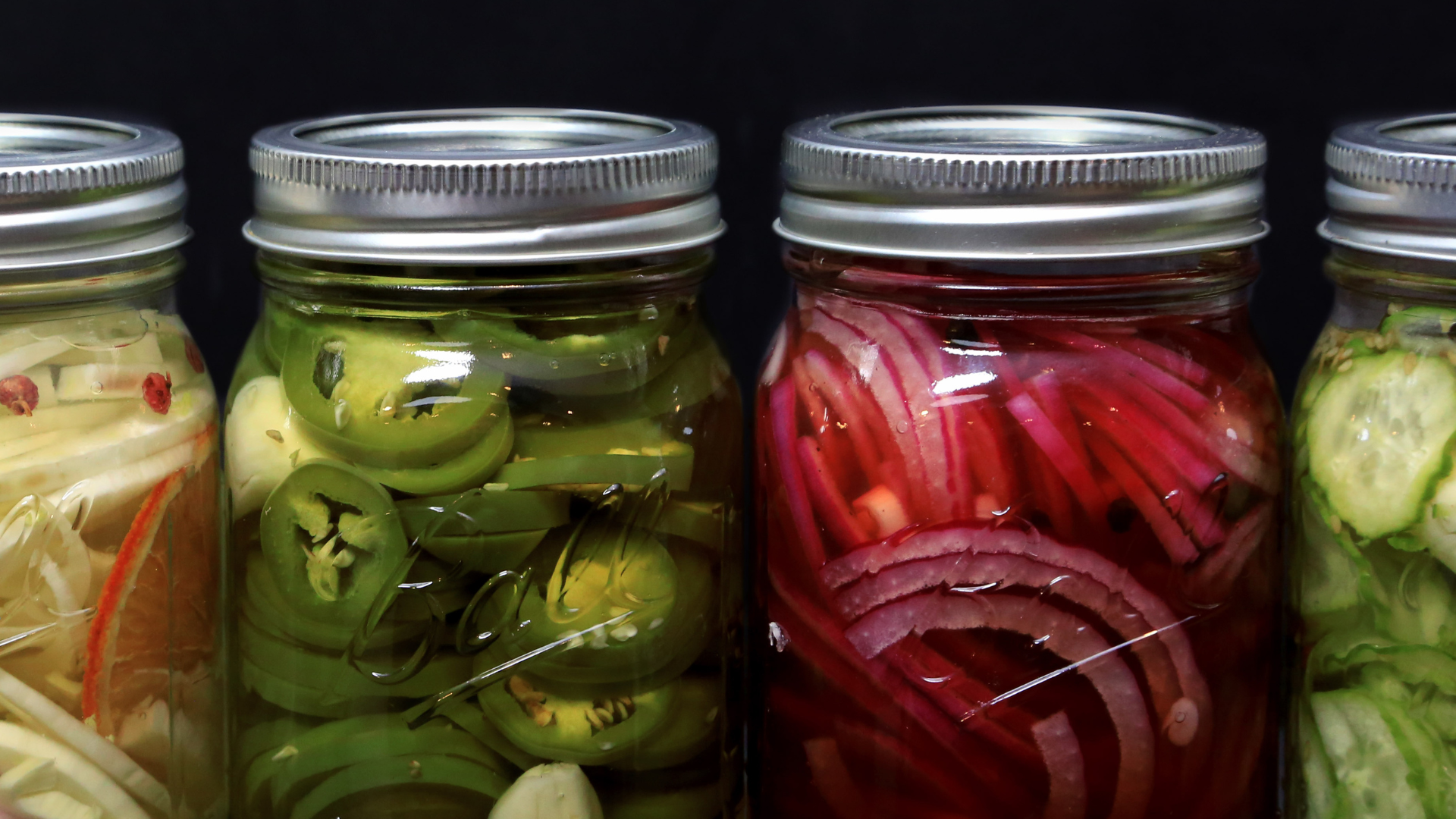
When you have too many veggies, veggies that are about to go off, or just want to try something new in the kitchen, try pickling! Grab some of your favourite vinegar, a sprinkle of salt and a mason jar.
There are lots of awesome pickling recipes online, but one of our favourites is this one using carrots and garlic – it’s delicious! We tried it without allspice or red pepper flakes and it was still amazing, so feel free to customize the recipe to your preferences. You can go as complex or as simple as you like – that’s what we love about it. The possibilities with pickling are truly endless! Play around, and see what new flavour combinations you might enjoy!
INGREDIENTS
– 1 tsp. black peppercorns
– 1 tsp. crushed red pepper flakes (optional)
– 1/2 tsp. allspice berries
– 1 c. rice vinegar
– 1 c. water
– 1/3 c. granulated sugar
– 1 tbsp. kosher salt
– 1 lb. carrots, peeled and cut into sticks
– 2 cloves garlic
DIRECTIONS
1. In a small pot over medium-low heat, toast peppercorns, red pepper flakes, and allspice until fragrant – 1 to 2 minutes. Add in vinegar, water, sugar, and salt; increase heat to medium-high and bring to a boil. Once sugar is completely dissolved, remove from heat.
2. Pack carrot sticks and garlic into a sterilized 1-quart glass jar (or two pint-sized glass jars) and pour over the vinegar solution. Seal the jar, refrigerate, and let sit at least 12 hours before serving.
How To Use Table Scraps for Gardening
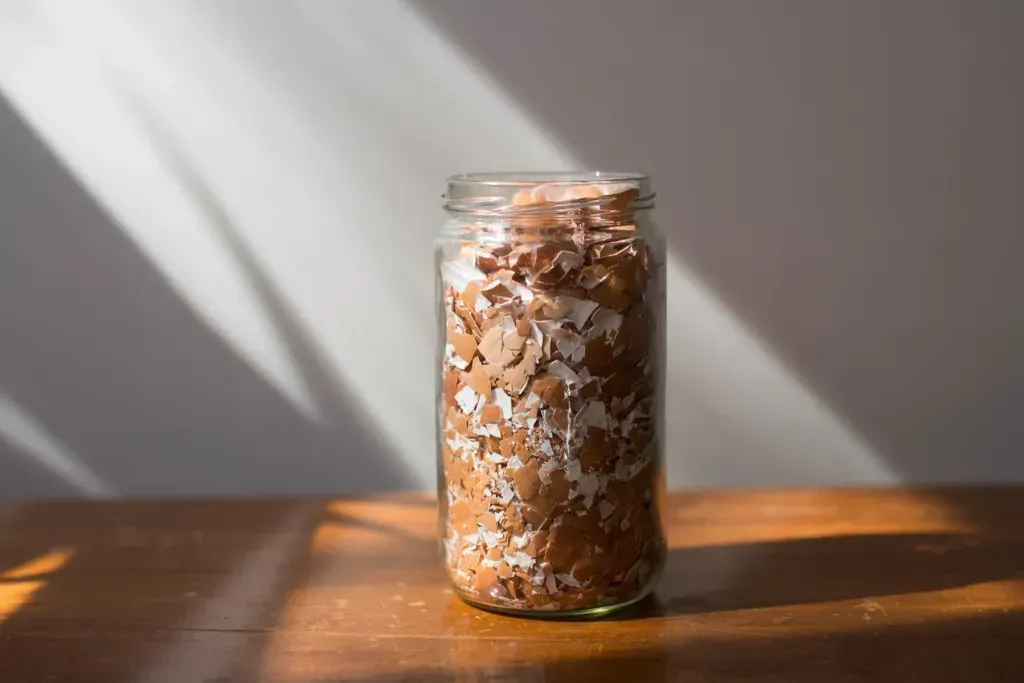
We’re sure you’re already familiar with composting fruit & veggies, but have you ever saved your eggshells for the garden? Eggshells are high in calcium, along with other nutrients that soil needs. Simply rinse out and dry your eggshells before crushing them into a jar (it’s actually pretty fun) and saving them for the garden. To use as mulch, grind them into a fine powder. To use as a snail repellent, crush loosely and spread around plants that snails love.
Coffee grounds are another fantastic scrap to save for gardening! They act as a slow-release, nitrogen-rich fertilizer that helps improve soil structure and boost nutrient levels! They work best on leafy plants and acid-loving plants like blueberries, azaleas, rhododendrons, and hydrangeas.
How To Use Table Scraps for Soup & Stock
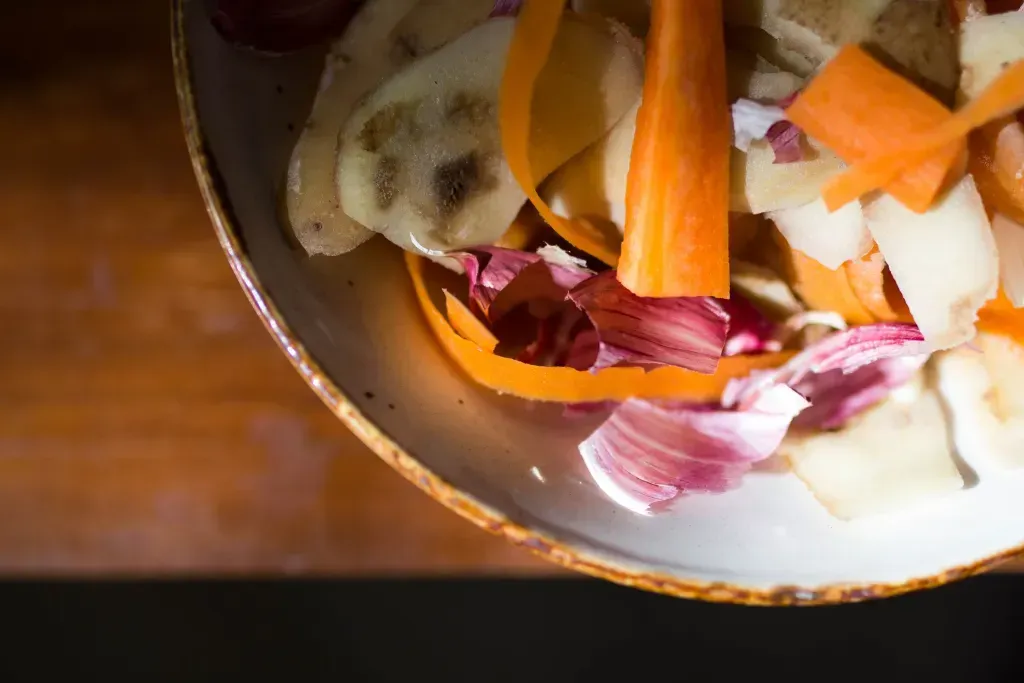
Save your wilting, sad veggies by chopping them up for a hearty soup or stock. A great zero-waste hack is to freeze your vegetable scraps to make into soup stock! We love this idea because you are able to save them up until you have enough to make into a stock at a convenient time, while sealing in the good nutrients. Again, another great way to save money as you won't need to buy pre-made vegetable stock!
All you have to do is simmer your frozen vegetable trimmings in a large pot of water, adding in any herbs and spices like bay leaves, parsley, and peppercorns, for 1-3 hours. Strain the solids, and you've got a delicious, sustainable broth!
DIY Sustainable Citrus Cleaner
Did you know you can use your citrus peels to make your own DIY cleaner?
INGREDIENTS
- Citrus peels (our preference is orange or mandarin, but you could also use lemon or grapefruit!)
- White vinegar
- Water
- (Optional) Rosemary Sprigs for an additional scent boost!
DIRECTIONS
- Place your citrus peels into a small mason jar, then fill with vinegar.
- Cover the jar and let it sit for at least one week.
- Strain and compost the peels
- Pour the concentrate into a spray bottle and dilute with water
Use as an all-purpose cleaner with your favourite resuable cloth!
Swap Paper Towels for Reusable Cloths
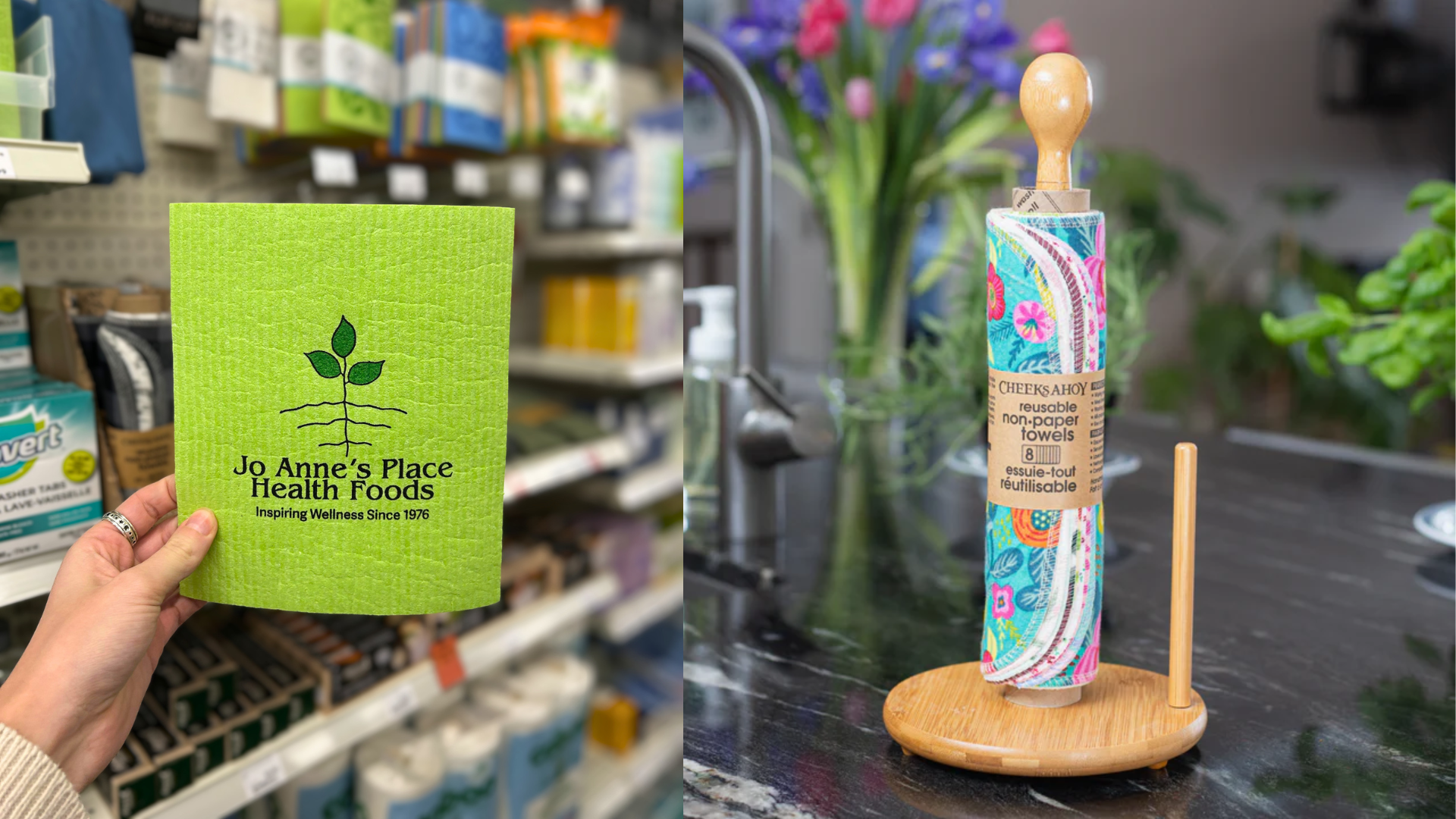
Cut down on paper towel waste by using reusable cloths! While most paper towels are technically biodegradable/compostable because they're made of paper, in order for them to be properly composted (and not end up in a landfill), you need to have a composting system at home, or a city-wide composting program. When paper towels are just thrown in the regular garbage, they will not end up back in nature. They end up in the landfill, which is typically lined with plastic to prevent harmful toxins and chemicals from leaking out into the environment.
And even when paper towels are properly disposed of, the act of purchasing and using them creates more demand. Meaning, trees are being cut down in order to produce them, which contributes to deforestation. All of this can be avoided by choosing the more sustainable option of a reusable cloth - like Cheek's Ahoy's Non-Paper Towels, which come in tons of fun colours and patterns or a Swedish dishcloth like our new Jo Anne's Place branded ones - which can be reused thousands of times before needing to be disposed of.
Make the Switch to Natural Cleaners
Besides making your own natural cleaner with the recipe above, there are tons of eco-friendly, biodegradable, hypoallergenic, and non-toxic cleaners and laundry products to choose from. These more sustainable alternatives to conventional cleaning products help reduce the amount of toxins in your home and in your body. Did you know many traditional cleaning products contain potential carcinogens, toxins, and chemicals like preservatives that release formaldehyde, benzene, chloroform, ammonia, and phthalates? These can be harmful not only to our health by disrupting hormones and causing respiratory issues, but also to the environment and wildlife when they enter waterways.
The good news is that there are tons of natural cleaning products that do not use these harmful chemicals and have the added benefit of being biodegradable and hypoallergenic - from all-purpose cleaners to laundry products.
We have a blog post all about the different kinds of natural cleaners and some of the popular brands we carry!

And More!
Other ways to give your home an eco-friendly upgrade include:
- Reducing your energy consumption by being mindful of turning off lights when you leave a room, reducing water use, upgrading to energy-efficient appliances, and installing LED lights
- When shopping, choose Certified Organic and Fair or Direct Trade wherever possible. The practices required of these certifications keep the environment top-of-mind, including not using chemical fertilizers, protecting wildlife, and upholding labour rights
- Try growing a garden in the summer! Even if you start with a small herb garden, you are taking a sustainable step to grow food for yourself!
- In the same vein as ditching paper towels, choose reusable products over disposable ones. Examples include reusable or compostable alternatives to plastic wrap and Ziploc bags, swapping plastic straws for metal or glass, and replacing disposable cotton pads with reusable ones.
Shop local and support small businesses! You may not realize it, but shopping locally at small businesses is a sustainable choice! Local businesses often have a smaller carbon footprint than big box stores because they source more of their products locally, which cuts down on fuel emissions and pollution. 97% of small businesses also reinvest in their local communities, which helps to create more jobs, community events, and provide resources to local non-profits.
We hope these tips have been helpful! Tell us your green hacks on
social media and tag us when you use our tips! We’d love to share them with our community.