Are Food Dyes Safe?
Are Food Dyes Safe?
This probably won't surprise you, but most candy and processed food products aren't naturally made with bright colors. They achieve that color by using synthetic food dyes. You've probably heard some commotion over these food dyes and questions over whether or not they are safe.
In this blog post, we're going to go over all the commonly used synthetic food dyes in Canada and discuss how safe they really are.
Does Red Dye 40 Make ADHD Worse?
Red dye 40 is a commonly used synthetic food dye made from petroleum.
It is extremely common, you can find it in products like:
- Energy drinks
- Pop
- Protein powders
- Dairy products
- Candy
- Gum
Research has shown synthetic food dyes like red dye 40 have links to ADHD symptoms and other conditions.
Recent studies have shown that some children can be sensitive to their effects, meaning if your child already has ADHD, this food dye could cause behavioral changes.
According to a 2021 report from the state of California, children who consume synthetic food dyes, including red dye 40, can experience hyperactivity and other neurobehavioral issues.
Experts believe this happens because:
- A lack of important minerals like zinc and iron that help the body grow and develop
- Chemical changes in the brain
- Hypersensitivity, which causes allergic reactions such as inflammation
Does Red Dye 40 Cause Allergies?
If you’re sensitive to Red Dye 40, it can make your body release histamine, which can cause allergy symptoms. You may notice:
- Headaches
- Hives and asthma
- Skin irritation
- Sneezing
- Watery eyes
Is Yellow 5 Good or Bad For You?
Yellow 5 or tartrazine is a synthetic, petroleum derived food dye, that is commonly used to give foods, beverages, drugs and cosmetics a bright lemon-yellow color.
You can find it in:
- Citrus-flavoured beverages like Gatorade or Mountain Dew
- Cheese-flavoured snacks like Cheetos or Doritos
- Candy and chocolate like M&Ms and Skittles
- Cake mixes
- Mustard
Some tartrazine may contain tiny particles you can breathe in. Since this food dye is widely used, you’ll likely be exposed to Yellow 5 dust at some point.
Human studies haven’t clearly proven whether breathing in tartrazine (Yellow 5) is safe or harmful. Because of this uncertainty, health authorities treat it as potentially risky.
Similarly to Red Dye 40, Yellow 5 may worsen ADHD symptoms in children. A 2022 review in Environmental Health found that many human studies link Yellow 5 and other synthetic dyes to increased irritability, restlessness, sleep problems, and attention difficulties.
Is Sunset Yellow Harmful?
Much like the two that come before it, Sunset Yellow is a synthetic, petroleum-derived food dye that gives a vibrant yellow-orange color to foods, cosmetics, and pharmaceuticals.
You can find it in:
- Orange-flavoured sodas like Fanta or Orange Crush
- Cheese-flavoured snacks like Cheez-its or Cheetos
- Orange-flavoured candy
- Cosmetics
- Pharmaceuticals
Allergic reactions may appear after consuming Sunset Yellow in people sensitive to this food dye. Examples of potential reactions include:
- Hives or facial rashes
- Swelling of the eyes, lips or face
- Anaphylactic shock
- Stomach cramping or abdominal pain
- Indigestion
- Belching
- Retching and vomiting
- Vascular purplish spots
Research also indicates that Sunset Yellow can cause toxicity across several organ systems, with the liver, kidneys, and digestive system being most vulnerable. However, this is only when the dye is consumed in large quantities or over a long period of time.
How to Dye Food Naturally
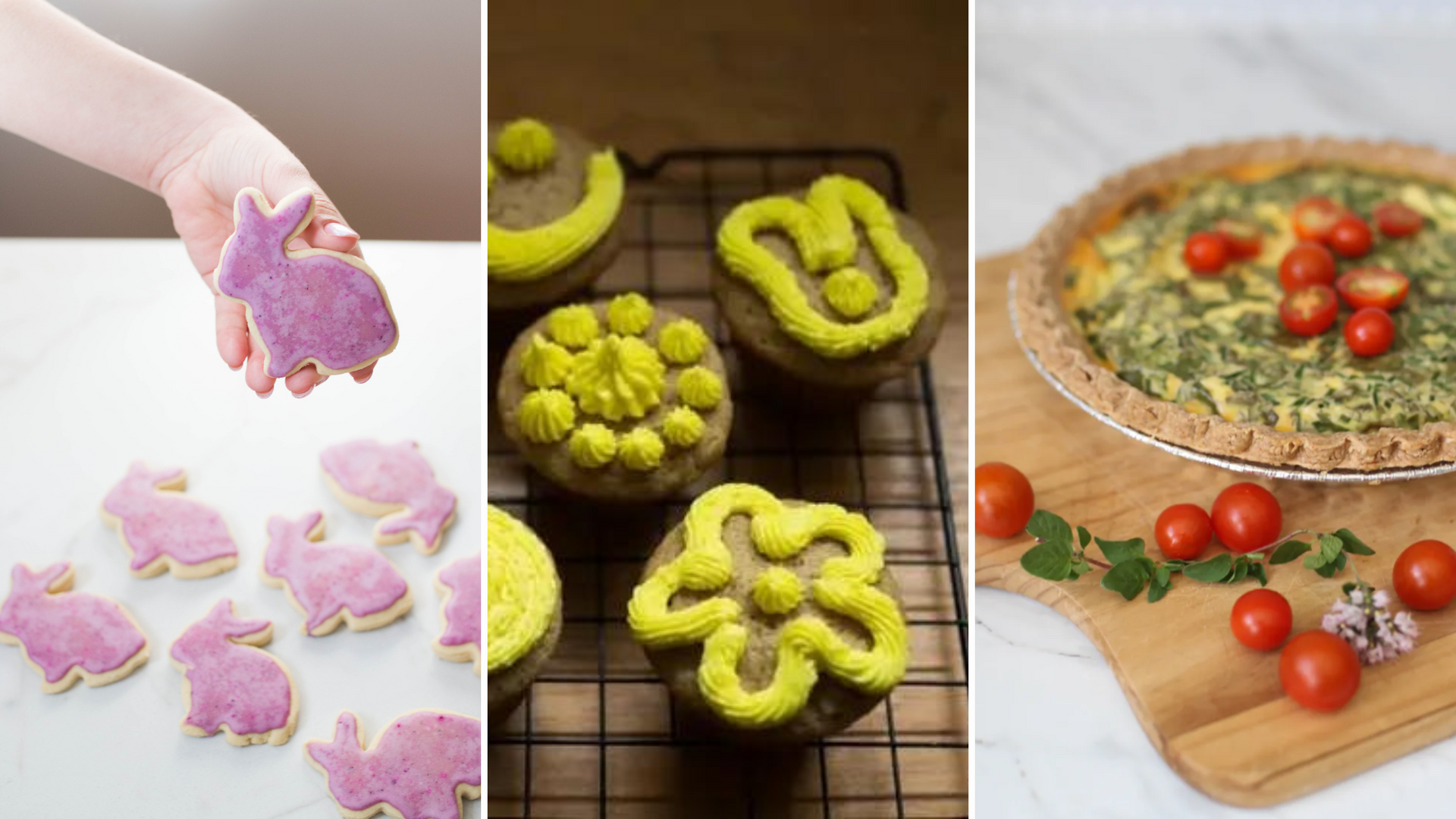
The good news is you don't HAVE to use synthetic dyes. There are many ways to color your food naturally and reap the benefits along the way. Many foods already have rich pigments that easily blend right into your favorite recipes.
For example, to make green, pink or purple smoothies just adjust your use of greens (like kale or spinach) and berries (like strawberries, blueberries, raspberries). The more you add, the more colorful and healthier they get!
Here are some more ideas for coloring your food:
- Juice your veggies. Include things like kale, spinach, parsley, or bell peppers for a nutritious green punch.
- Use water from boiled veggies or fruit.
You can boil green vegetables like peas, or red fruits like cranberries for example, to extract the coloring. Then use the colored water that’s left behind to color other foods and recipes. It’s an easy, natural way to add coloring to food.
- Try Matcha tea,
which is a finely milled or powder green tea from Japan. Besides drinking it as a tea, you can use it directly as an ingredient in many recipes. It not only turns foods green and has a rich flavor that goes with many things but it’s also rich in nutrients, antioxidants and fiber.
- Beets offer a natural way to color foods red or pink. They’re also a good source of vitamin C, iron and magnesium. Look for the round, purplish-red kind.
- Turmeric or saffron can make foods yellow.
As your rice is cooking try adding turmeric for a golden yellow color. Saffron works too but is a more expensive option.
- Paprika can give an orange or deeper orange-red color. Depending on the peppers used in the paprika, there will be different color variations. Heating paprika releases both color and flavor.
Conclusion
Synthetic food dyes are in more products than most of us realize, and while research is still ongoing, it's worth being mindful of how much you're consuming. The good news is that avoiding them doesn't have to be complicated. Reading labels, choosing whole foods, and experimenting with natural coloring alternatives are all simple steps you can take starting today.
Whether you're in our Peterborough or Lindsay location, our team is always happy to help you find products that align with a cleaner, more natural lifestyle. Come in and see us, we'd love to help you on your wellness journey.