GERD: Gastro Esophageal Reflux Disorder

This information is not intended to replace appropriate professional advice. Please check labels and consult with your pharmacist if you take prescription drugs.


Left untreated, GERD can lead to more serious health problems such as Barrett’s Esophagus. The good news is that with dietary changes and supplementation, digestion can return to normal – good health by design!


A common cause of GERD is low stomach acid. Due to low hydrochloric acid, often caused by long term B complex deficiencies, food is retained in the stomach waiting for acid to increase. Bacteria produce gas. The trapped gas pushes upward forcing stomach contents into the esophagus.


Self test: when reflux occurs, take 1 tsp apple cider vinegar in ¼ cup of water. If symptoms decrease stomach acid is low. If they increase, i.e., strong burning sensation, then stomach acid is high. To relieve the burning take ¼ tsp baking soda in water. If acid is high a hiatal hernia may be the underlying problem. In addition to the following suggestions, see notes at the end for hiatal hernia.


Diet for Optimum Digestion


  • Drink 7 – 10 glasses of unchlorinated water. Chlorine destroys healthy flora.
  • Consume a diet that is 75-80% alkaline forming. Chart available.
  • Shift up to organic. Digestion is not improved by chemicals and pesticides.
  • Rely on fruits, vegetables, raw seeds and nuts, beans, legumes, and whole grains as the mainstays of your diet.  Avoid wheat unless it’s sprouted. 
  • Have complete protein no later than lunch for better digestion of amino acids.
  • Eat small meals. Some find practicing proper “food combining” can help.  Basic directions to follow. 
  • 2 tsp apple cider vinegar with honey (opt) before meals to improve digestion.  Omit this step if the self test caused an increase in symptoms. 
  • Fermented kimchi and sauerkraut correct pH and improve digestion.
  • Eliminate processed, deep fried, or artificial foods
  • Dairy products are mucous forming and hard to digest.  Try alternatives.
  • Cook gently.  High heat generates acrylamides & advanced glycation end products.


Supplements - to avoid common deficiencies and strengthen digestion


  • Bio-Strath improves digestion, corrects imbalances, promotes the production of hydrochloric acid and digestive enzymes, alleviates stress, and eases elimination.
  • Vitamin D - 8,000 IU for one month then reduce to upper limit of 4,000 IU – anti-inflammatory, improves immunity.
  • Omega 3 fatty acids – anti-inflammatory and multiple other benefits.
  • Magnesium 200-500 mg – strengthens muscles in digestive tract.
  • Probiotic daily 30 minutes after the largest meal of the day. 
  • Use a full spectrum digestive enzyme when eating meals of predominantly cooked foods. Raw foods contain their own enzymes which boost assimilation.


Special Care - for short term use until the condition is resolved


  • 3 tbsp aloe vera juice 2-3 times daily, with or between meals.
  • Ginger and peppermint teas after meals are great in aiding digestion.


Further Tips

  • Watch your posture when eating. The digestive system needs room to work. Slouching compresses the stomach which can increase GERD symptoms.
  • Avoid eating when upset. Stress impairs digestion.
  • Don’t eat while watching TV. Give your meal your full attention and stop eating as soon as you feel satiated – a little before you feel full.
  • Combine 2-3 drops of Frankincense essential oil with a carrier oil and apply along the path of the esophagus. Frankincense has anti-inflammatory properties.


Basic Food Combining


  • Always eat fresh fruit on an empty stomach and allow at least 30 minutes before consuming any other food. Fruits digests very quickly and if combined with other foods they begin to ferment. While fermented foods are very beneficial for digestion, foods fermenting in the gut are not 😊
  • Heavy proteins and starches require different environments in which to digest. Proteins require high acid and starches base. Eating them together keeps them in the stomach too long. Have protein at noon, starch in the evening.


You can find more information on food combining here. 


Hiatal Hernia

  • Maintain your ideal weight.
  • Eat only small freshly prepared meals especially in the evening.
  • Avoid deep fried and fatty foods.  Limit alcohol, coffee, citrus and tomato.
  • Massage your chest and abdomen in a downward motion while lying on your back on a flat surface

.

This is called the warm water method.  This is an anecdotal treatment from Healthline that may help overcome the discomfort of a hiatal hernia by shifting the hernia out of the chest cavity.  Check with your health care professional before trying.


  • Upon rising, drink a glass of warm water.
  • Stand straight, bring arms straight out from your sides, then bend your elbows so your hands rest on your chest.
  • Stand very high on your toes then drop down abruptly.  Repeat this ten times.
  • Finally, raise your arms up in the air and breathe short quick breaths with your mouth for about 15 seconds. 


Some Final Thoughts


  • Keep abdominal and chest muscles strong through gentle stretching and holding exercises such as yoga.
  • Follow the dietary and supplement suggestions so your system is never overloaded or overly acidic.
  • Keep all channels of elimination clear. Dry body brush to open skin pores and increase lymphatic flow. Take enough magnesium to keep bowels moving easily.
  • Fresh air, sunshine, and exercise are foods for Life. Breathe deeply, exhale thoroughly.


*Revised December 2024


Jo Anne's Place Staff

We have been supporting the wellness of our communities since 1976.


Our highly trained staff are here to help. Our Product Educators have vast knowledge and experience with the products we carry in our stores - whether they take them themselves, have taken brand training, or have received feedback from customers. 


Please visit one of our stores to chat with them about we can help support you and get you feeling your best!

A display of party items coloured blue for Father's Day
By April Allen May 26, 2026
Celebrate the father figures in your life with thoughtful, wellness-supportive gifts at Jo Anne's Place
By April Allen May 21, 2026
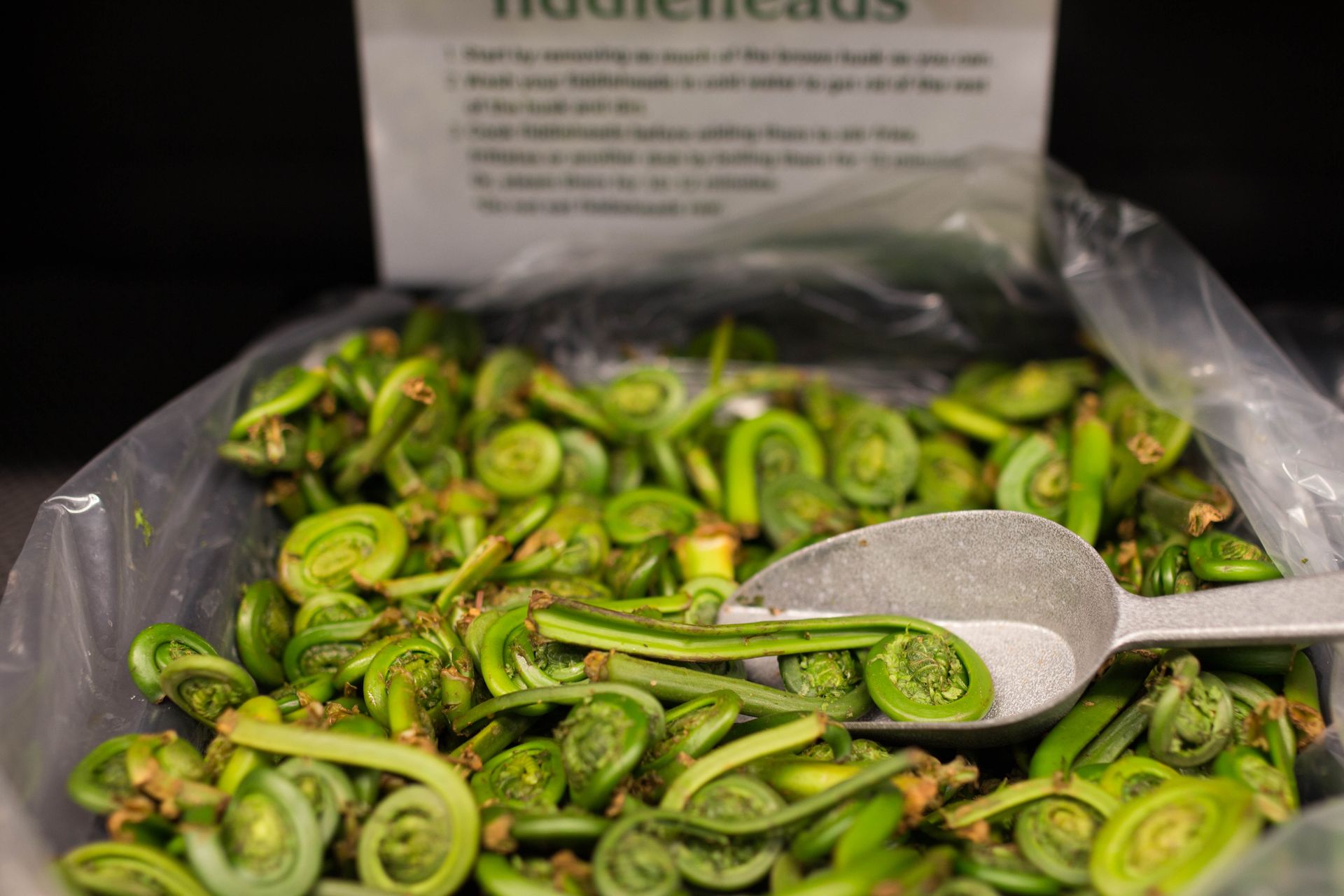
Fiddlehead season is here! After a long winter, fiddlehead season has finally arrived. Not familiar with fiddleheads or just want to learn a bit more about them, and how to cook them safely? Keep reading! You may have seen fiddleheads in the wild and not even realized it. That's because they are the furled fronds of a fledgling fern! The fiddlehead is the spiral of the plant that would unroll into a new frond of the fern plant. They are harvested before they unfurl, early in the season. Only the fiddleheads from certain fern varieties are safe to consume. Fiddleheads should never be eaten raw and must be cooked a certain way to be safe to eat, so be sure to follow the instructions below. Fiddleheads have been part of traditional diets in Northern France since the Middle Ages, and amongst many North American Indigenous populations for centuries. They are also popular in Asian cuisine dishes like gulai pakis.

By Jonathan Tessier April 29, 2026
Most candy and processed food products aren't naturally made with bright colors. They achieve that color by using synthetic food dyes. But are they safe for you?
floral pattern
By April Allen April 28, 2026
Mother's Day gifting made easy at Jo Anne's Place!
By Jonathan Tessier April 9, 2026
Peptides are short chains of 2 to 50 amino acids that act like messengers telling your body what to do. Some are effective, some are not. Let's get into all of it!
3 Pictures, on the left are sugar cookies, in the middle are cupcakes and on the right is a quiche
By April Allen March 31, 2026
Happy Easter! Looking to switch it up and try some new recipes this year? Here is a roundup of Easter
By April Allen March 25, 2026
Small Changes with a Big Impact. April is Earth Month! With Earth Day coming up on April 22nd, we wanted to share some simple ways to make your home more eco-friendly. Of course, sustainability is top of mind this time of year - but our hope is that the awareness around sustainability and habits created during Earth Month will be continued on throughout the year. Not only do sustainable habits benefit the Earth and the ecosystems we inhabit, but they also improve our lives by reducing waste and toxins in our homes and communities, saving us money, and supporting a more circular economy. Below are some small changes you can make to your daily routines that result in a more eco-friendly home:
By Jonathan Tessier March 5, 2026
For almost every junk food, there’s usually a healthier alternative. You might have to compromise on taste but its definitely worth it for health in the long run!
Jo Anne and Margo sit outside with their arms around each other
By April Allen March 3, 2026
Who run the world? Girls! March is Women's History Month, and March 8th is International Women’s Day. What better time than this to lift up the women around us!
Title: Top benefits of Fiber: Digestion, Weight Loss and Heart Health
By Jonathan Tessier February 26, 2026
From improving your gut microbiome to reducing cholesterol and supporting weight loss, fiber plays a crucial role in your overall health. How Fiber Improves the Gut