Tick Safety Tips for Hiking in Peterborough & Lindsay
How to Prevent Tick Bites While Hiking This Summer
It's summer time. Which means its the perfect time to go out and enjoy some of the great trails we have here in the Peterborough and Lindsay area.
But with hiking comes safety precautions. It's not enough to have extra water and sunscreen on. You also need to watch out for ticks, which are tiny insects who can cause a great deal of harm.
Luckily, there are many ways to deal with ticks as long as you are aware of how to prevent them and what to do in case one of them bites you.
What Are Ticks?
Ticks are arachnids, much like spiders or mites. Like other insects, ticks go through different stages of development. In order to reach that new life development stage, they need to feed on blood. Adult female ticks specifically need blood to lay their eggs. They feed on mammals, birds and reptiles.
Not all ticks carry viruses that can make you sick, however, it is still best to avoid them all together.
Ticks are dangerous because their painless bites can transmit a variety of serious pathogens, including bacteria (like Lyme disease), viruses (like Powassan virus), and parasites.
You may not notice a tick bite because ticks are tiny, and their bites are usually painless.
Removing attached ticks as soon as possible reduces the chance of infection.
Where is the most common place to find a tick?
Ticks are often found in and near areas with:
- trees
- shrubs
- grass
- wood piles
- piles of leaves
What Do Ticks Look Like?
Ticks look like small spiders and have a wide variety of colors. Here are some pictures of ticks commonly found in Canada:
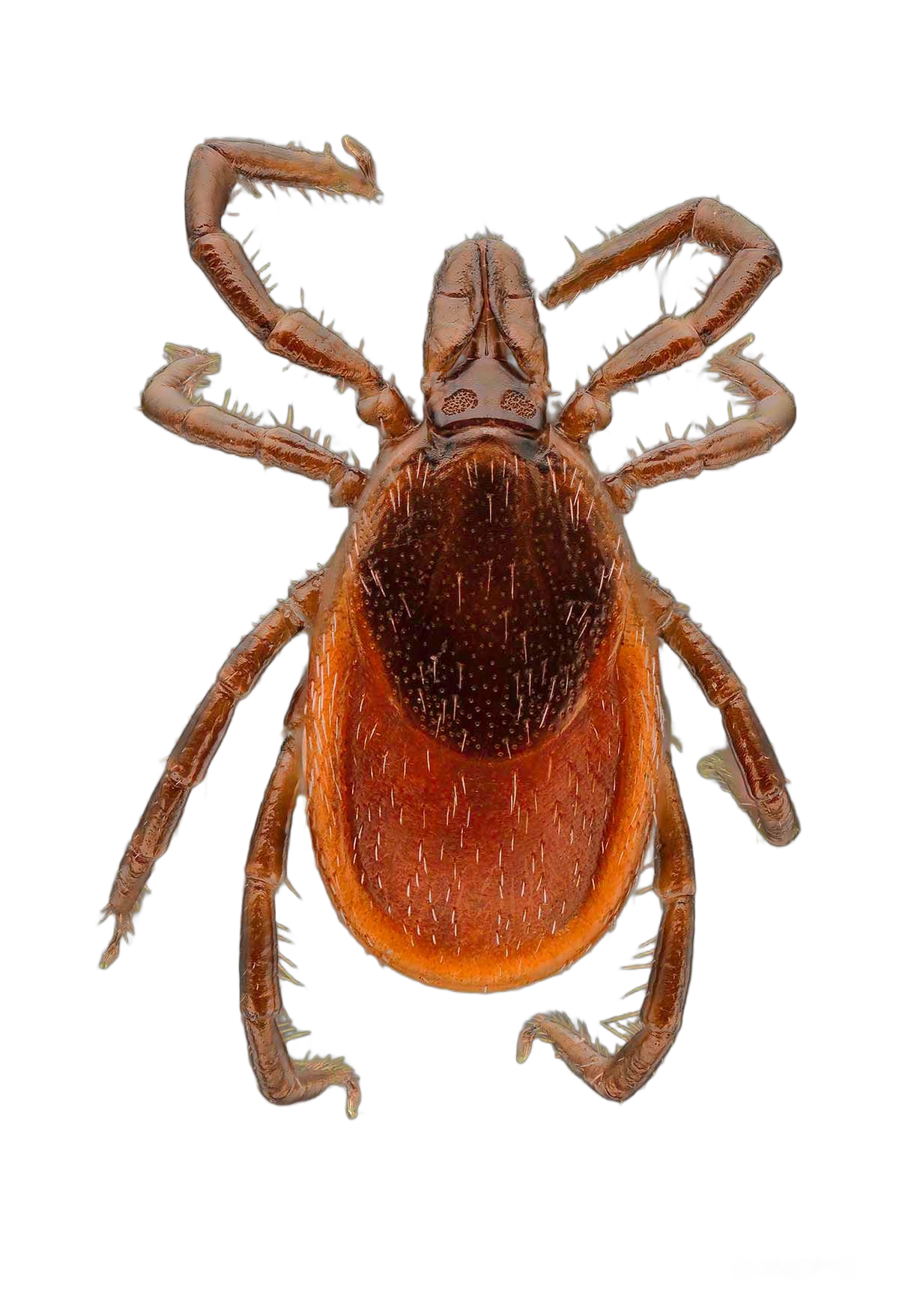
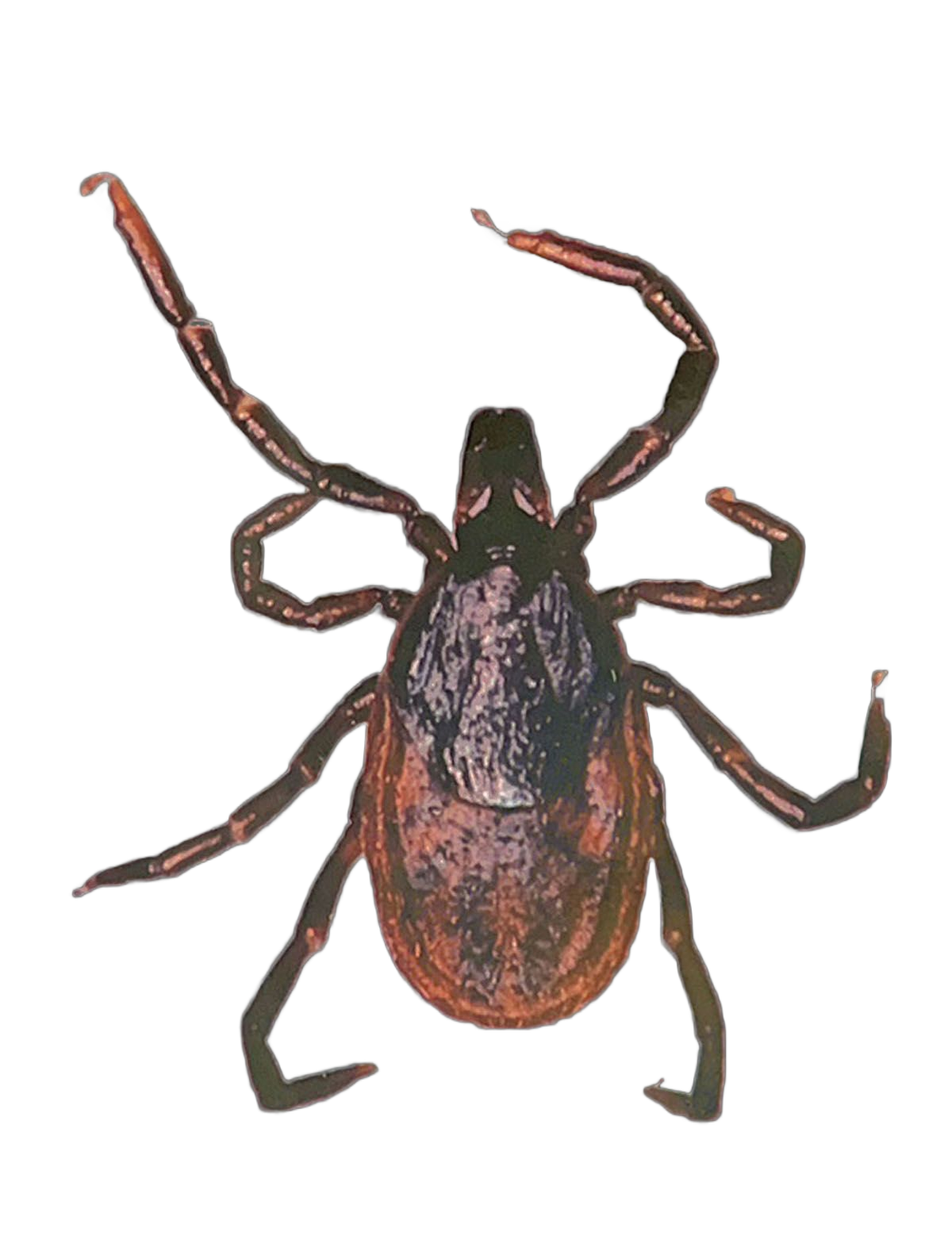
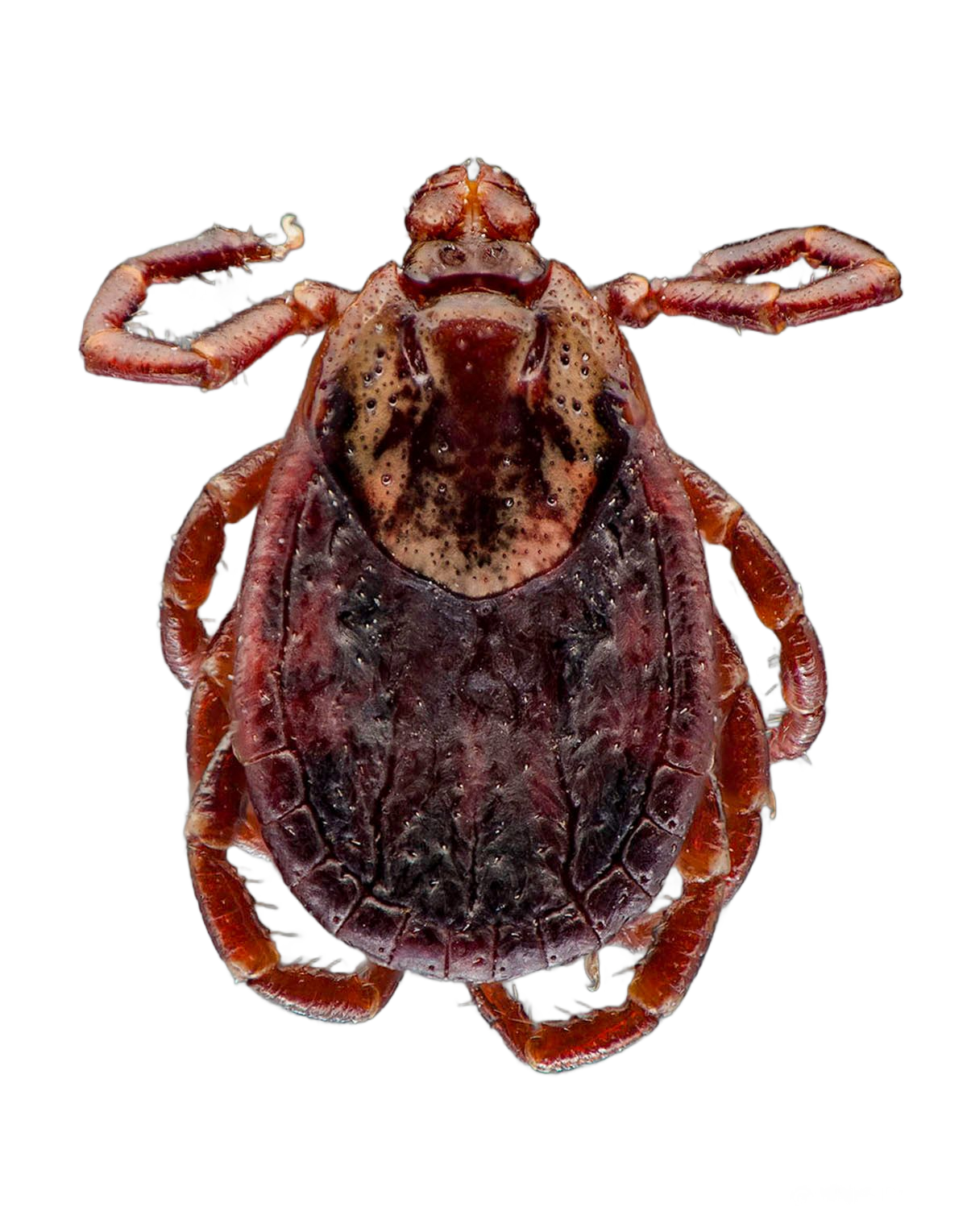
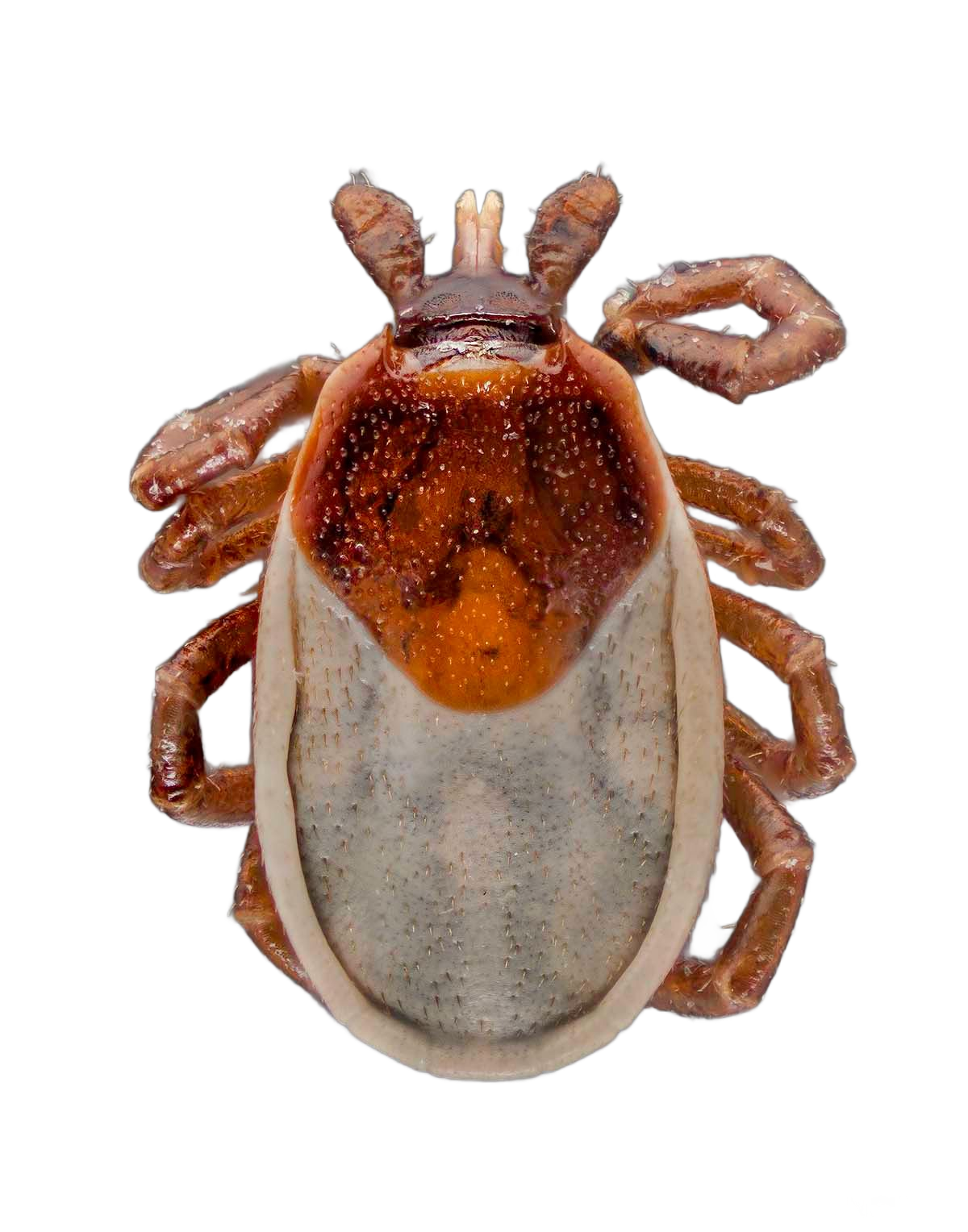
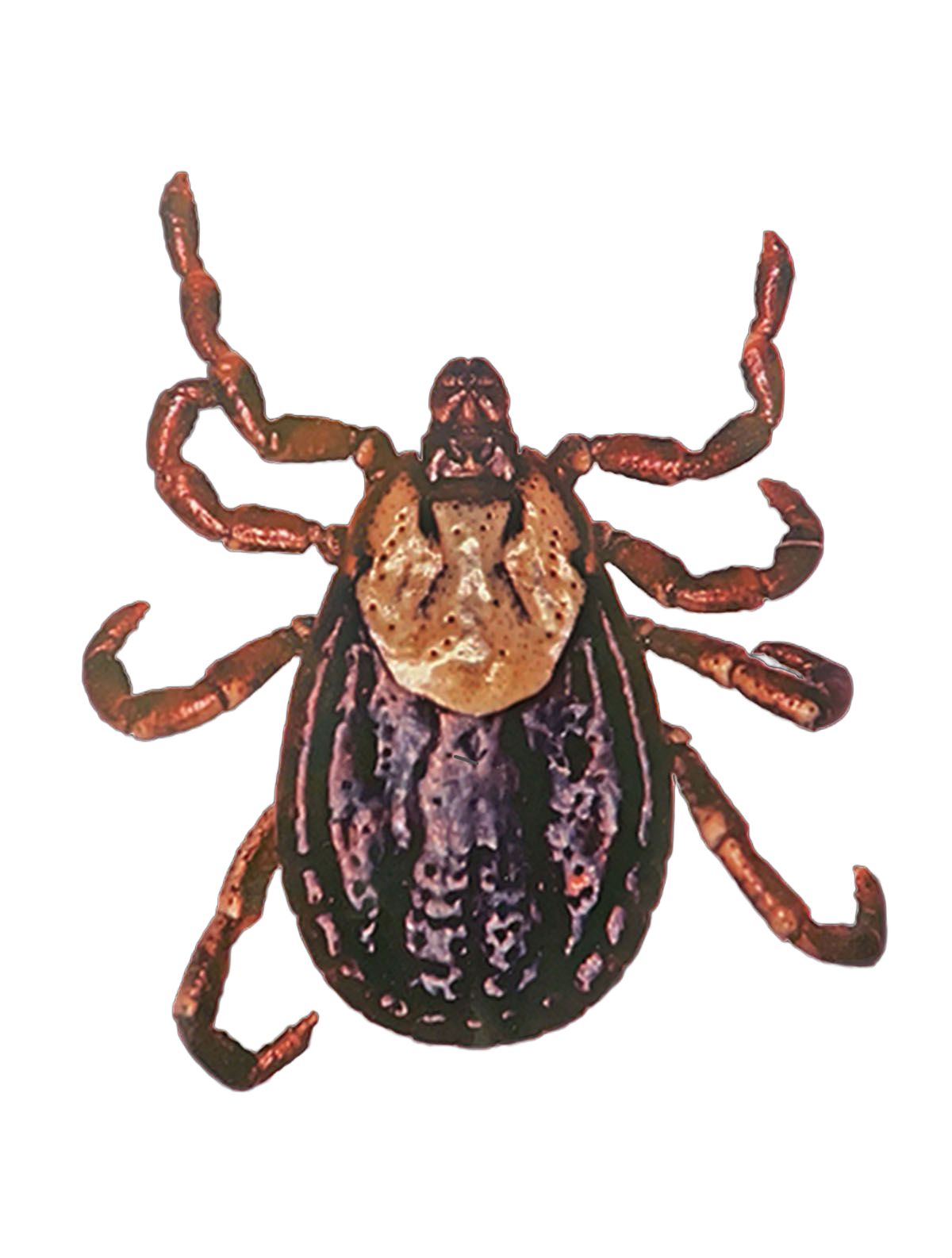
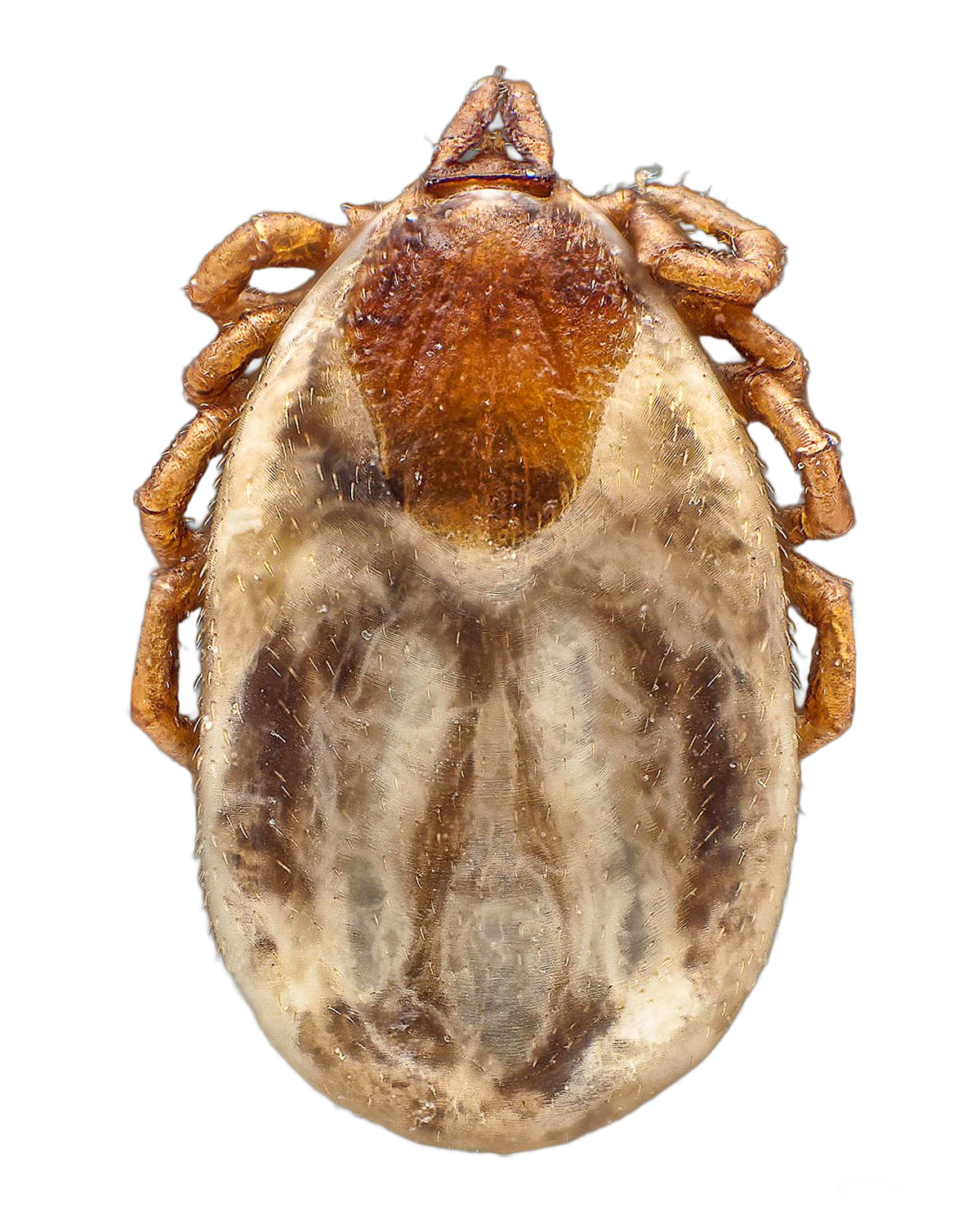
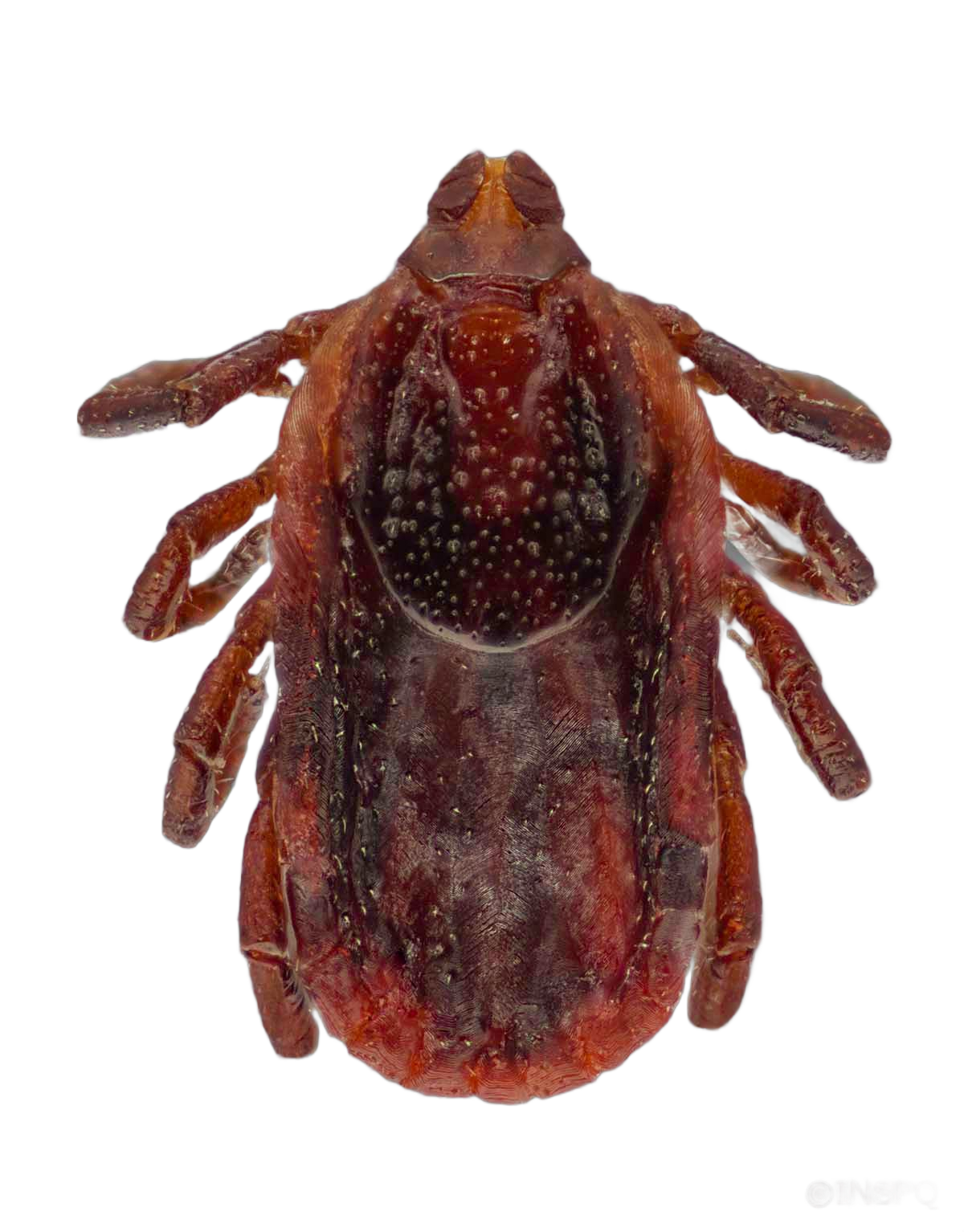
This includes: The blacklegged tick, Western blacklegged tick, American dog tick, Groundhog tick, Rocky Mountain wood tick, Squirrel tick and the Brown dog tick.
How to identify a tick
You can identify a tick by:
- taking a photo and sending it to an image-based identification platform like eTick
- contacting your provincial and territorial public health authorities to find out about tick identification programs in your area
What Will Keep Ticks Away?
- Wear light coloured long-sleeved shirts and pants
- Tuck your shirt into your pants, and your pants into your socks
- Wear closed-toe shoes
- Use bug spray (always follow label directions)
- Stick to maintained trails and paved areas when walking
To ensure there are no ticks on your body, after being in the woods you should:
- Shower or bathe as soon as possible after being outdoors
- Do a daily full body tick check on yourself, your children, your pets and your gear
- Put your clothes in a dryer on high heat for at least 10 minutes
What to do if you're bitten by a tick
- Use clean tweezers to immediately remove attached ticks:
- Grasp the tick's head as close to your skin as possible
- Slowly pull it straight out. Try not to twist or squeeze the tick
- If parts of the tick's mouth break off and remain in your skin, remove them with the tweezers
- If you can't remove the mouthparts, leave them alone, and let your skin heal
- Wash the bite area with soap and water or alcohol-based sanitizer
- Keep the tick in a closed container and bring it with you if you go see your health care provider
- Contact your health care provider if you're not feeling well or if you are concerned after being bitten by a tick
Early Detection is Key
In most cases, if caught early, Lyme disease can be treated effectively with antibiotics.
Symptoms
typically occur 3 to 30 days after you've been bitten.
- Rash (sometimes shaped like a bull's eye)
- Fever
- Chills
- Headache
- Fatigue
- Aching muscles and joints
- Swollen lymph nodes
More severe symptoms
(experienced weeks to months after a tick bite, if untreated) could include but are not limited to:
- Severe headaches
- Facial paralysis (such as Bell's palsy)
- Joint pain
- Irregular heart beat
- Nervous system disorders (such as dizziness, mental confusion or inability to think clearly, and memory loss, nerve pain, numbness or tingling in the hands or feet)
Contact your health care provider if you're not feeling well or are concerned after being bitten by a tick.
Options in Our Store
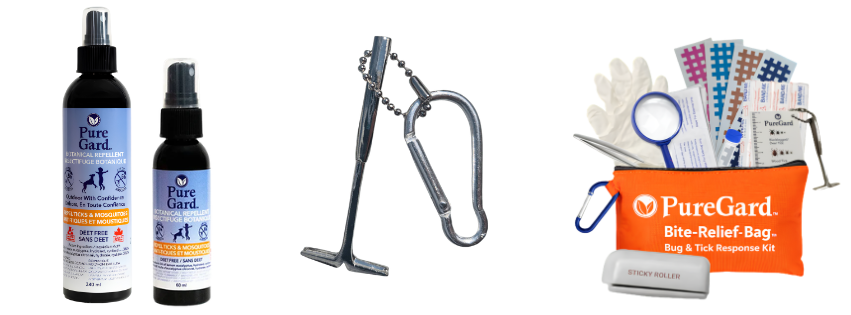
Make sure you're prepared when you go out hiking this season. You can get everything you need to fend off ticks by visiting us and stocking up on all the essentials!
Pure Gard Botanical Repellent: This tick and mosquito repellent is a must-have when going out hiking. It is the clean solution for nature lovers. Breathe deep and wander further with high-performance protection that’s gentle on the planet.
Evict-A-Tick: If you find yourself in the unfortunate situation where you find a tick on your body, you're going to want this tool handy. These tweezers are engineered to work like a mini crowbar, lifting the tick straight out without the dangerous twisting that causes breakage.
PureGard Bite-Relief Bag: If you want all the necessary tools in one kit, look no further. This is a specialized 10-piece collection engineered to handle everything from tick extraction to bite relief, ensuring you’re prepared for nature’s unpredictable moments.
Conclusion
In the summer time, ticks are a pretty big deal. However, we don't want them to keep us from doing the things we love. As long as you follow the basic guidelines like wearing long-sleeved clothing and sticking to maintained paths and trails, you should be alright. Remember to keep insect repellent handy.
If you do find a tick on your body, try to remove it as quick as possible and contact a health care professional. Tools like Evict-A-Tick and the PureGard Bite-Relief Bag can help remove immediate threats but you should still get checked out either way.
Enjoy the beautiful trails and hiking options we have here in the Peterborough and Lindsay area and stay away from ticks!