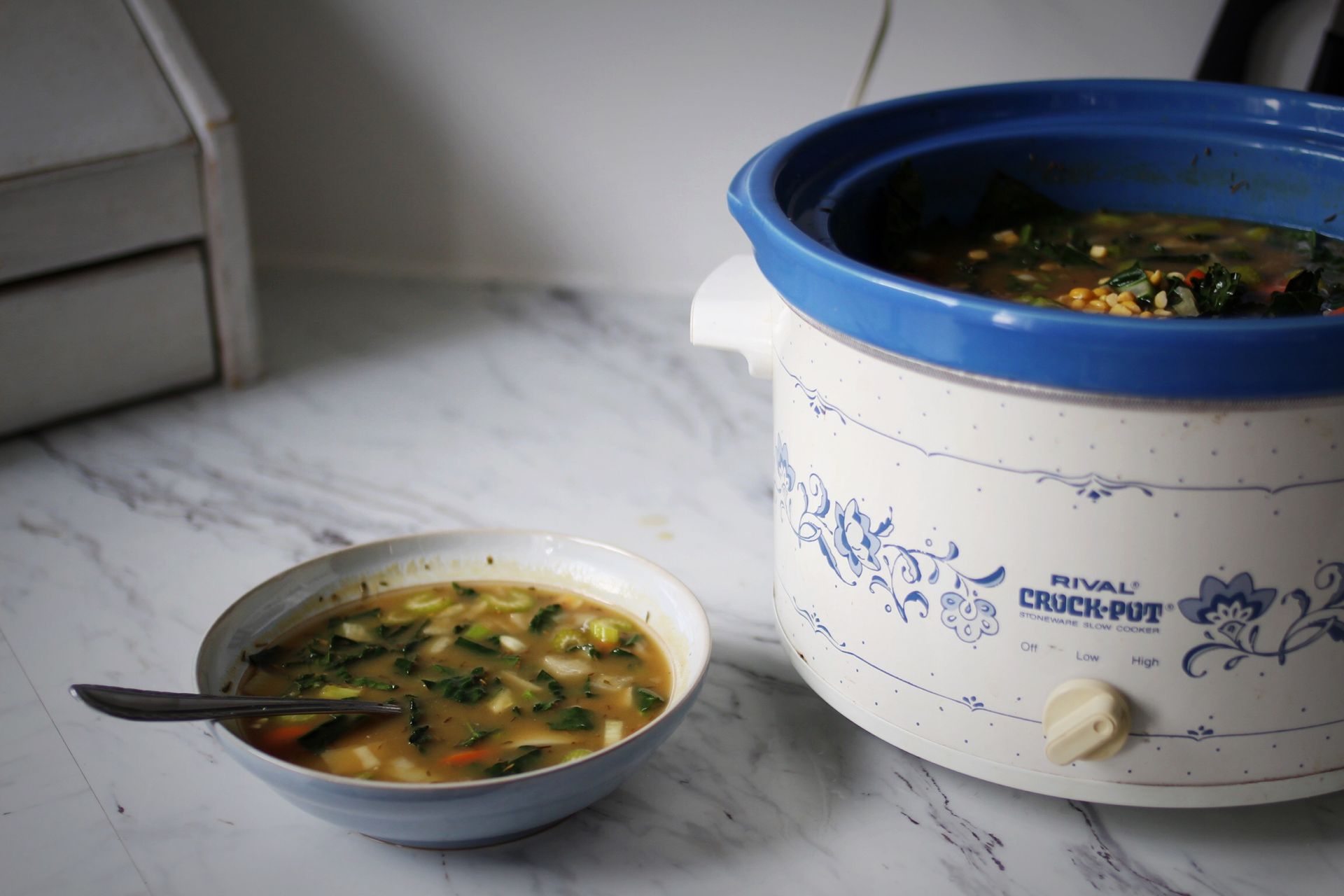
Hearty Vegetarian Soup
Meet your new favourite soup. Full of nutritious vegetarian ingredients, this soup is hearty and healthy - what more could you ask for?
Ingredients
- 1 yellow onion (medium, diced)
- 2 garlic cloves (minced)
- 2 carrots (medium, diced)
- 2 stalks of celery (diced)
- 1 tbsp dried thyme
- 2 cups yellow split peas (dry/uncooked)
- 8 cups of Organic vegetable broth
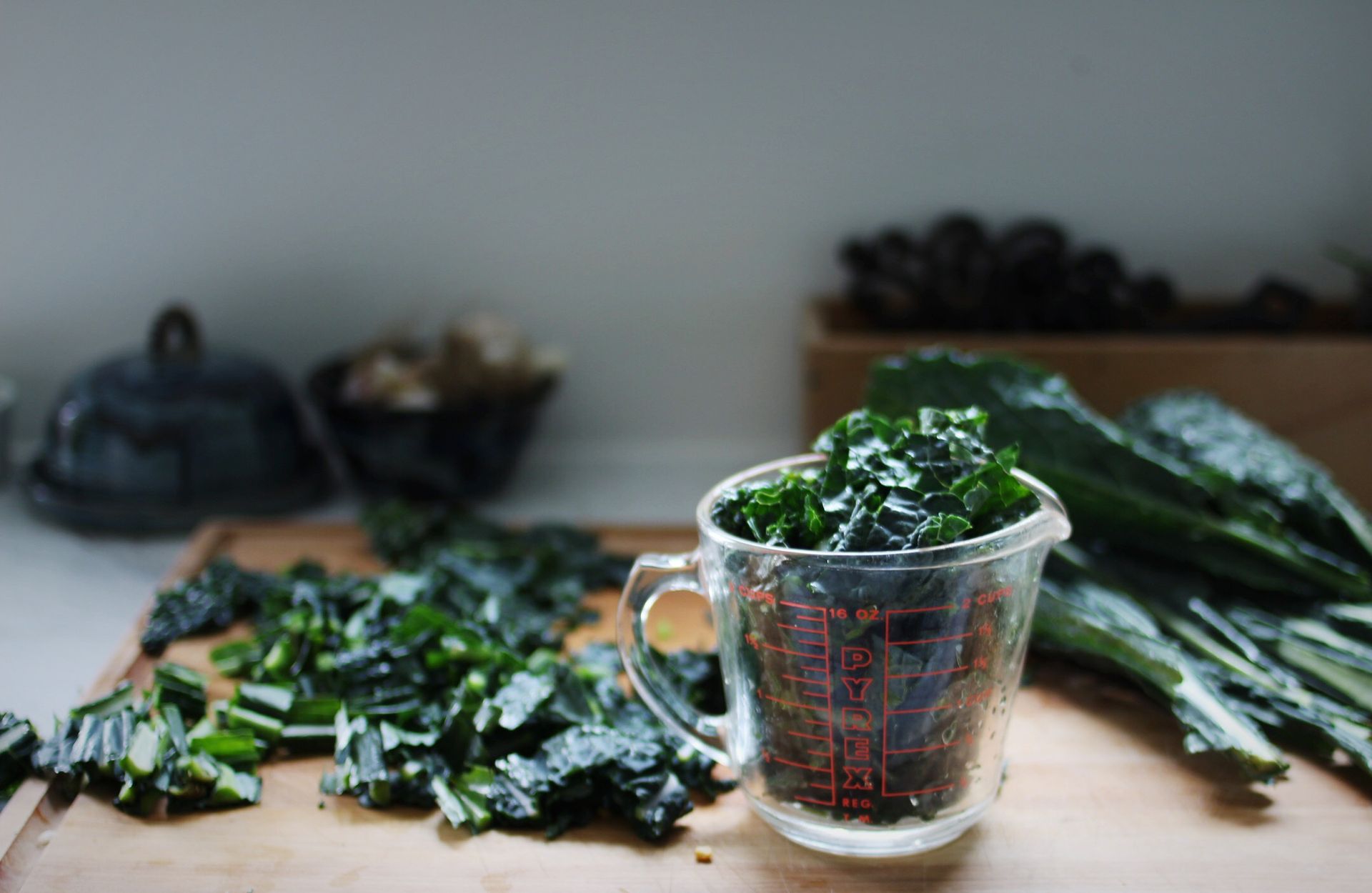
- 4 cups of kale leaves (chopped)
Directions:
- In a slow cooker, add the onion, garlic, carrots, celery, thyme, and dried split peas.
- Pour the broth over all ingredients and cook on low for 8 hours. Stir every few hours to prevent the split peas form sticking to the pot.
- In the last 30 minutes, add the chopped kale. Once the kale is wilted, season to taste with salt and pepper. Enjoy
*Leftovers: Store in the fridge for up to 4 days or freeze for later.
Find all ingredients at Jo Anne's Place. To see store hours, click here.
Made this recipe? Tag us on social media - we'd love to share your creation with our community!
Find out what's going on for Labour Day Weekend 2026 in Peterborough and the Kawartha Areas! Lots of local Peterborough events to check out for the family!
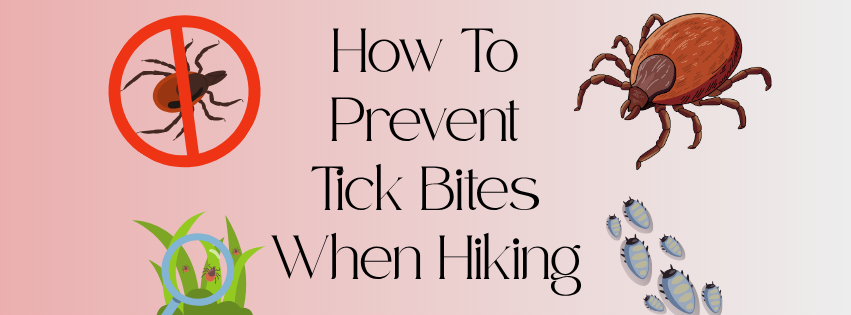
Ticks are out on Peterborough and Lindsay trails this summer. Learn how to prevent bites, check for ticks, and safely remove one — plus what to stock up on.
July is National Independent Retailer Month.

Celebrate the father figures in your life with thoughtful, wellness-supportive gifts at Jo Anne's Place
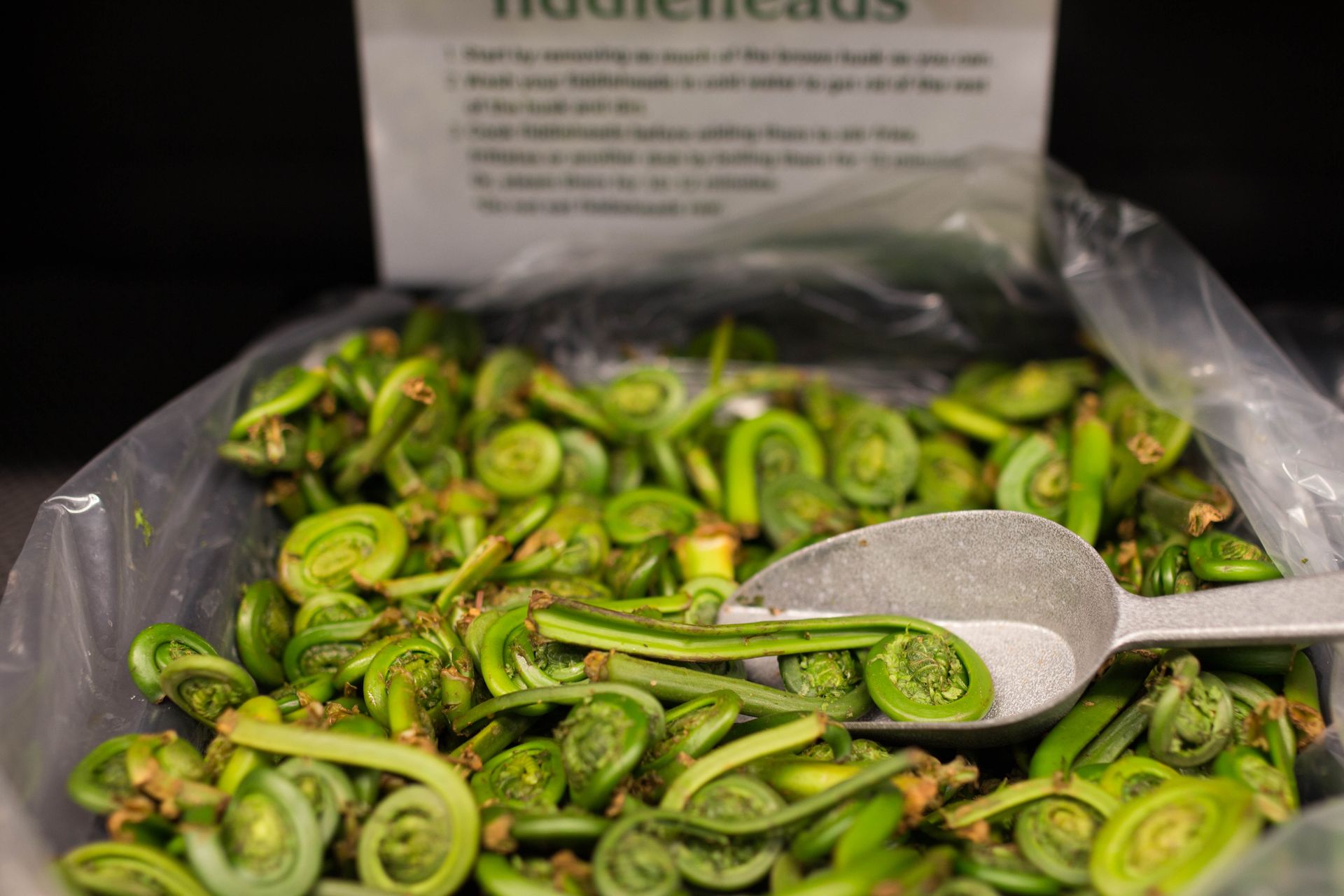
Fiddlehead season is here! After a long winter, fiddlehead season has finally arrived. Not familiar with fiddleheads or just want to learn a bit more about them, and how to cook them safely? Keep reading! You may have seen fiddleheads in the wild and not even realized it. That's because they are the furled fronds of a fledgling fern! The fiddlehead is the spiral of the plant that would unroll into a new frond of the fern plant. They are harvested before they unfurl, early in the season. Only the fiddleheads from certain fern varieties are safe to consume. Fiddleheads should never be eaten raw and must be cooked a certain way to be safe to eat, so be sure to follow the instructions below. Fiddleheads have been part of traditional diets in Northern France since the Middle Ages, and amongst many North American Indigenous populations for centuries. They are also popular in Asian cuisine dishes like gulai pakis.

Most candy and processed food products aren't naturally made with bright colors. They achieve that color by using synthetic food dyes. But are they safe for you?
Mother's Day gifting made easy at Jo Anne's Place!
Peptides are short chains of 2 to 50 amino acids that act like messengers telling your body what to do. Some are effective, some are not. Let's get into all of it!
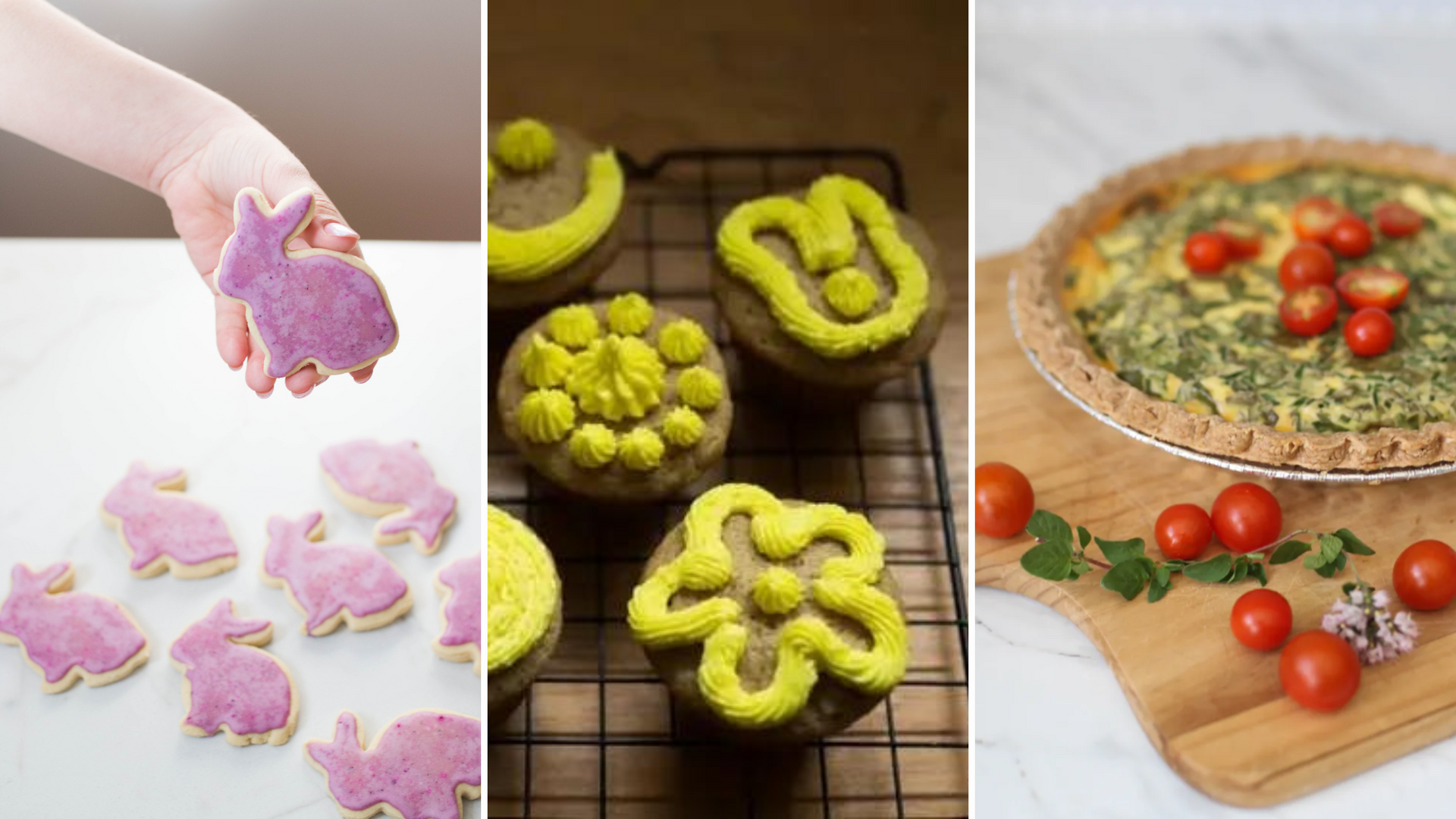
Happy Easter! Looking to switch it up and try some new recipes this year? Here is a roundup of Easter
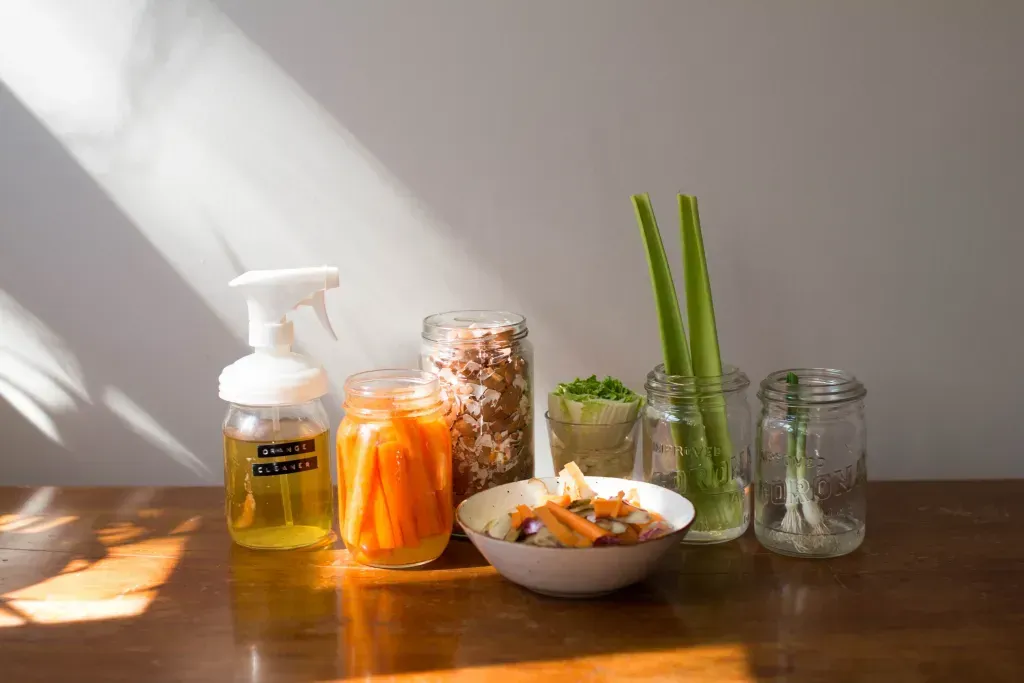
Small Changes with a Big Impact. April is Earth Month! With Earth Day coming up on April 22nd, we wanted to share some simple ways to make your home more eco-friendly. Of course, sustainability is top of mind this time of year - but our hope is that the awareness around sustainability and habits created during Earth Month will be continued on throughout the year. Not only do sustainable habits benefit the Earth and the ecosystems we inhabit, but they also improve our lives by reducing waste and toxins in our homes and communities, saving us money, and supporting a more circular economy. Below are some small changes you can make to your daily routines that result in a more eco-friendly home: